The global economic order is undergoing a profound transformation as forced trade practices increasingly dictate the terms of international commerce. In recent years, the rise of protectionist policies, strategic tariffs, and economic coercion has disrupted traditional trade flows, compelling nations to reassess their alliances and economic strategies. This shift is not merely a temporary adjustment but signals a fundamental reordering of global trade dynamics.
Understanding Forced Trade
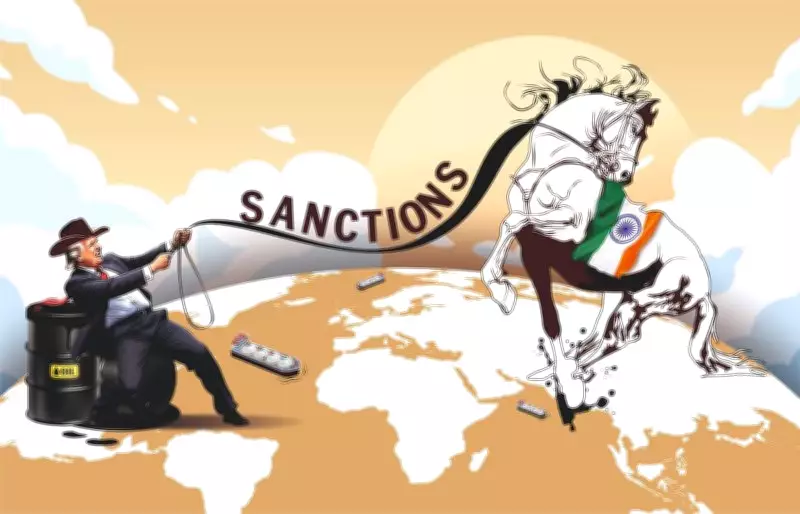
Forced trade refers to the use of economic leverage, such as tariffs, sanctions, or export controls, to compel a country to alter its trade policies or behaviors. Unlike voluntary trade agreements, forced trade often involves imbalances of power, where larger economies impose conditions on smaller ones. This practice has become more prevalent as major powers seek to protect domestic industries, address national security concerns, or retaliate against perceived unfair trade practices.
Impact on Global Supply Chains
The imposition of forced trade measures has significant repercussions for global supply chains. Companies are forced to diversify their sourcing, relocate production facilities, or find alternative markets to mitigate risks. This has led to the fragmentation of supply chains, increased costs, and reduced efficiency. For instance, the US-China trade war prompted many multinational corporations to shift manufacturing from China to Southeast Asia, altering the region's economic landscape.

Geopolitical Implications
The reshaping of trade through coercion has profound geopolitical implications. Traditional allies may find themselves at odds over trade policies, while new partnerships emerge based on economic necessity. The European Union, for example, has sought to strengthen its economic sovereignty in response to US tariffs and Chinese state-driven investments. Meanwhile, developing nations are caught in the crossfire, facing pressure to align with one bloc or another, often at the expense of their own economic interests.
The Role of International Institutions
International institutions like the World Trade Organization (WTO) face challenges in mediating disputes arising from forced trade. The WTO's dispute settlement mechanism has been weakened by the US's refusal to appoint appellate judges, undermining its effectiveness. As a result, countries are increasingly resorting to bilateral negotiations or regional trade agreements, such as the Regional Comprehensive Economic Partnership (RCEP) or the Comprehensive and Progressive Agreement for Trans-Pacific Partnership (CPTPP), to navigate the new trade landscape.
Economic Consequences
The economic consequences of forced trade are mixed. While protectionist measures may shield certain industries in the short term, they often lead to higher prices for consumers, reduced competitiveness, and slower innovation. Forced trade can also trigger retaliatory actions, escalating into trade wars that harm global growth. However, it can also spur domestic industries to become more self-reliant and accelerate technological advancements in strategic sectors.
Adapting to a New Reality
Nations and businesses must adapt to this new reality of forced trade. Policymakers need to balance protectionism with the benefits of open markets, while companies must build resilience through supply chain diversification and investment in innovation. The global order is being reshaped, and those who can navigate these turbulent waters will emerge stronger.
In conclusion, forced trade is not a temporary phenomenon but a defining feature of the contemporary global economy. Its impact on supply chains, geopolitics, and economic growth will continue to shape international relations for years to come. Understanding and adapting to these changes is crucial for all stakeholders in the global trading system.