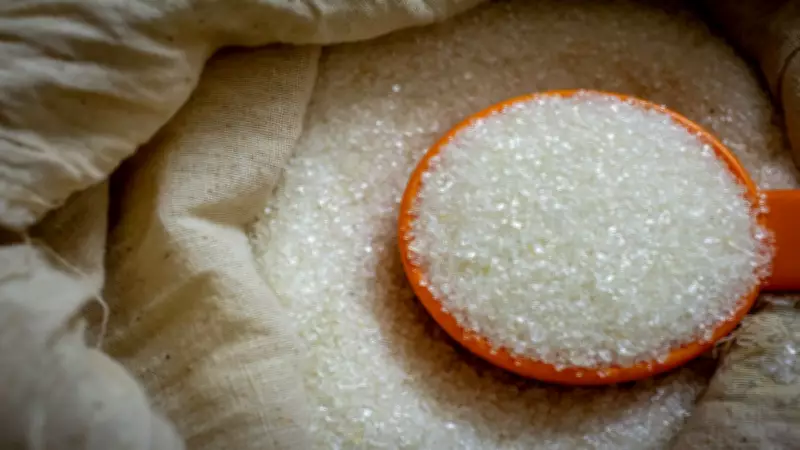
India Bans Sugar Exports Till September 2026
In a significant move to safeguard domestic availability, the Indian government has imposed a ban on sugar exports until September 2026. The decision comes amid escalating concerns over domestic supply triggered by the ongoing crisis in West Asia, which has disrupted global supply chains and raised food security alarms.
Reasons Behind the Ban
The government cited potential production shortfalls due to erratic monsoon patterns and the ripple effects of the West Asia conflict. The crisis has led to increased freight costs and uncertainty in global trade, prompting India to prioritize its own needs. Officials emphasized that the ban is a precautionary measure to stabilize prices and ensure adequate stocks for the domestic market.
Impact on Global Markets
India is the world's second-largest sugar producer and a major exporter. The ban is expected to tighten global sugar supplies, potentially driving up international prices. Countries reliant on Indian sugar, such as Bangladesh, Indonesia, and several Middle Eastern nations, may face shortages. However, the Indian government has assured that it will continue to allow exports under specific quotas for neighboring countries and strategic partners.

Domestic Implications
For Indian consumers, the ban is likely to keep sugar prices in check, preventing a spike that could have occurred due to global uncertainties. The move also supports the government's broader goal of ensuring food security. Farmers and millers, however, may face revenue losses from reduced export opportunities. The government plans to monitor the situation and may review the ban if production improves.
Industry Reactions
The sugar industry has expressed mixed reactions. While some associations welcome the focus on domestic stability, others worry about long-term export market erosion. The Indian Sugar Mills Association (ISMA) has called for a clear roadmap to resume exports once the crisis subsides.
Conclusion
The export ban underscores India's cautious approach amid global turmoil. As the West Asia crisis continues to evolve, the government remains vigilant, balancing domestic needs with international commitments. The ban is effective immediately and will remain in place until September 2026, with periodic reviews.