India-EU Free Trade Agreement Implementation Targeted for 2026, Announces Commerce Minister Piyush Goyal
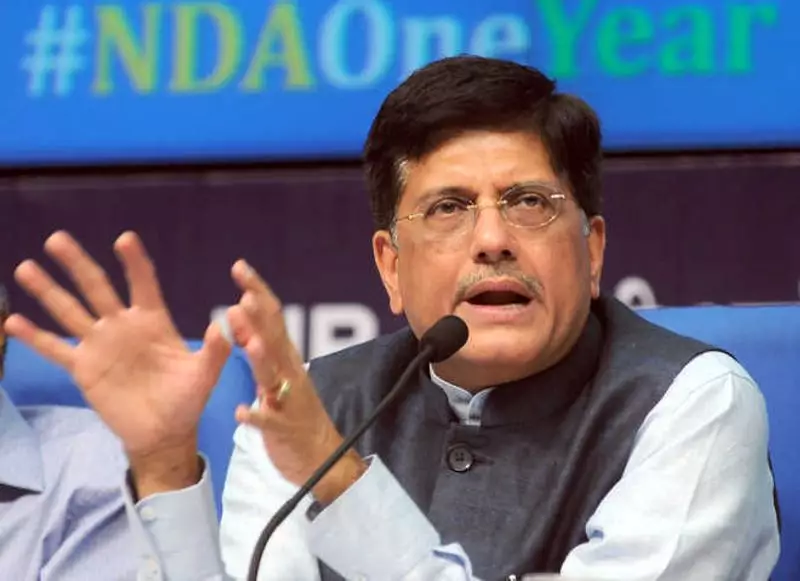
In a significant development for international trade, Commerce and Industry Minister Piyush Goyal has announced that the much-anticipated India-EU Free Trade Agreement (FTA) is likely to be implemented in the calendar year 2026. This announcement marks a crucial step forward in strengthening bilateral economic ties between India and the European Union, one of the world's largest trading blocs.
Key Milestones and Negotiation Progress
The negotiations for this comprehensive trade pact have been ongoing for several years, with both sides working diligently to address various complex issues. According to Minister Goyal, the agreement is now on track for finalization and implementation within the specified timeframe. The FTA aims to:
- Enhance market access for goods and services between India and the EU.
- Reduce or eliminate tariffs on a wide range of products, boosting trade volumes.
- Promote investment flows and foster greater economic cooperation.
- Address non-tariff barriers and streamline regulatory frameworks.
This timeline reflects the commitment of both parties to conclude the deal, which is expected to have far-reaching implications for businesses and consumers in both regions.

Economic Implications and Strategic Importance
The implementation of the India-EU FTA in 2026 is poised to create a more robust trade environment. For India, this agreement could lead to increased exports in sectors such as textiles, pharmaceuticals, and information technology, while providing access to advanced European technologies and investments. On the other hand, the EU stands to benefit from India's growing market and skilled workforce.
This trade deal is not just about economics; it also underscores the strategic partnership between India and the EU in an increasingly interconnected global economy. By fostering closer ties, the agreement is expected to contribute to job creation, innovation, and sustainable development in both regions.
Next Steps and Future Outlook
As the negotiations enter their final phases, stakeholders from both sides are optimistic about the positive outcomes. The implementation in 2026 will require careful planning and coordination to ensure a smooth transition. Minister Goyal's announcement has generated widespread interest among industry leaders and policymakers, who view this as a pivotal moment for enhancing India's trade footprint on the global stage.
In conclusion, the India-EU Free Trade Agreement represents a landmark achievement in bilateral relations, with its targeted implementation in 2026 set to unlock new opportunities for growth and collaboration. The coming years will be crucial as both parties work towards realizing the full potential of this historic pact.