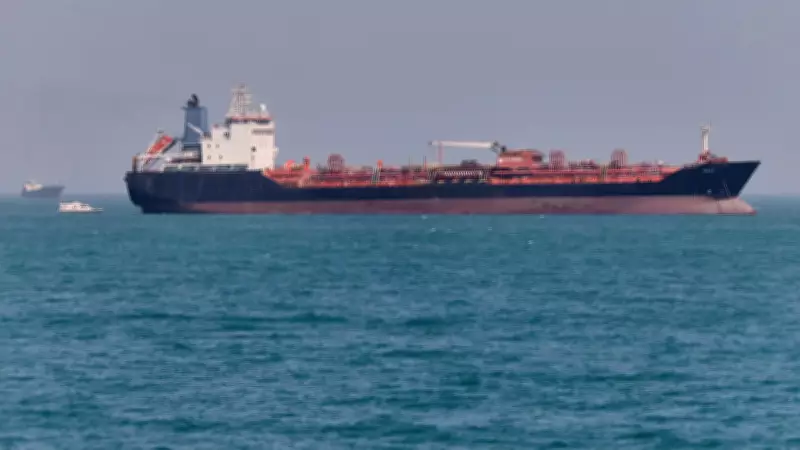
Iran's Revolutionary Guards announced that approximately 30 ships have been permitted to traverse the Strait of Hormuz since Wednesday evening, signaling a limited relaxation of restrictions on one of the world's most critical energy arteries. Iranian media reported that several Chinese vessels were among those granted passage, following what officials described as close coordination between Beijing and Tehran.
Strategic Waterway at Center of Conflict
The Strait of Hormuz has remained a focal point of the widening Middle East conflict since Iran effectively asserted control over the waterway after the outbreak of war on February 28. Tehran warned commercial vessels that they would require Iranian approval to transit the narrow passage, through which roughly one-fifth of the global oil supply once flowed. A commander of Iran's Islamic Revolutionary Guard Corps (IRGC) stated that ships linked to what Tehran considers "enemy states" remain prohibited from passing through the Strait. These comments, carried by Iran's Fars news agency, suggest that Iran continues to use the waterway as leverage in its confrontation with the United States and Israel.
US-China Discussions
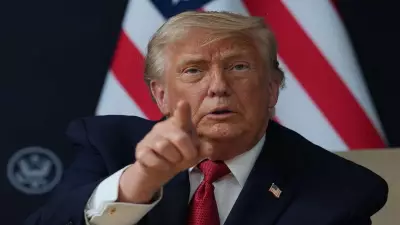
The development coincided with talks between US President Donald Trump and Chinese President Xi Jinping in Beijing, where reopening the Strait emerged as a key issue. According to the White House, both leaders agreed that the strategic shipping lane should remain open for global energy deliveries. Iranian state-linked media reported that Chinese vessels were granted passage following intensive diplomatic efforts and under "Iranian-managed transit protocols." Tasnim news agency, closely linked to the IRGC, said the agreement reflected the strategic partnership between China and Iran.

Trump later revealed that Xi had offered Beijing's assistance in helping reopen the Strait of Hormuz. Speaking to Fox News host Sean Hannity after the meeting, Trump stated, "He said he's not going to give military equipment… he said that strongly." Trump added that Xi had also told him, "If I can be of any help whatsoever, I would like to help."
Economic Concerns and Ceasefire Pressure
The reopening of limited shipping activity occurs amid growing fears over the economic fallout of the conflict. The International Monetary Fund warned that prolonged disruption linked to the Iran war could push the global economy toward an "adverse" scenario, featuring slower growth, higher inflation, and tighter financial conditions. Meanwhile, the United States sought to extend a fragile ceasefire between Israel and Lebanon ahead of its scheduled expiry on Sunday. Israeli and Lebanese officials met in Washington for talks aimed at preserving the truce, despite renewed violence on the ground.
Israel reported carrying out strikes against more than 65 Hezbollah targets across Lebanon on Thursday, while Hezbollah claimed responsibility for a drone attack targeting Israeli troops in northern Israel. Lebanese authorities said Israeli strikes since March have killed over 2,800 people, including at least 200 children. Iranian Foreign Minister Abbas Araghchi also accused the United Arab Emirates of playing an "active role" in the US-Israeli campaign against Tehran during remarks delivered at the BRICS summit in India.