Japan has once again banned imports of mangoes from India, citing lapses in pest control measures. The decision comes exactly 20 years after the previous ban was lifted, marking a significant setback for Indian mango exporters.
Background of the Ban
In 1986, Japan imposed a ban on Indian mango imports over concerns about fruit fly infestation. After two decades of negotiations and improvements in pest control protocols, India regained access to the Japanese market in 2006. However, recent inspections revealed deficiencies in the pest management system, prompting Japan to reinstate the ban.
Reasons for the Reinstatement
Japanese authorities flagged issues with the fumigation and quarantine procedures followed by Indian exporters. The fruit fly, a major agricultural pest, remains a threat to Japan's domestic mango production. The ban aims to prevent any potential infestation that could harm local crops.

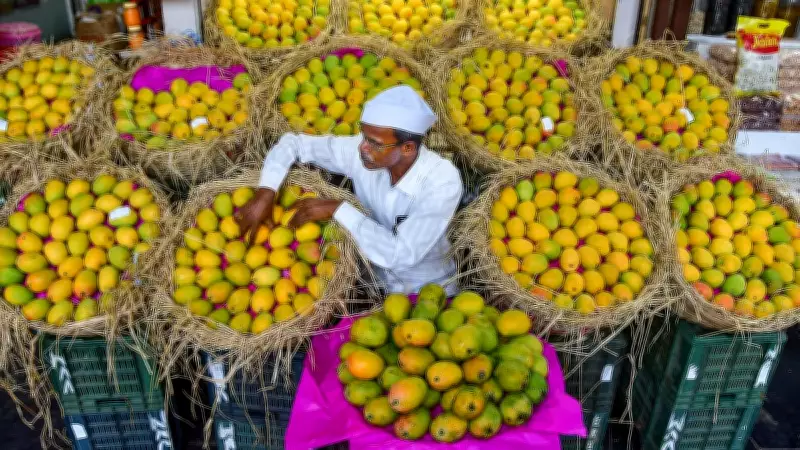
India had been exporting premium mango varieties, including Alphonso and Kesar, to Japan. The ban will affect farmers and exporters in states like Maharashtra, Gujarat, and Uttar Pradesh, who had invested in meeting Japanese standards.
Impact on Trade
The ban is a blow to India's agricultural export ambitions. Japan is a lucrative market for high-quality mangoes, and losing access could lead to a surplus in domestic markets, depressing prices. The Indian government is expected to engage with Japanese officials to resolve the issue.
This development underscores the challenges faced by developing countries in meeting stringent phytosanitary requirements of developed nations. India will need to strengthen its pest control infrastructure to regain Japan's trust.