

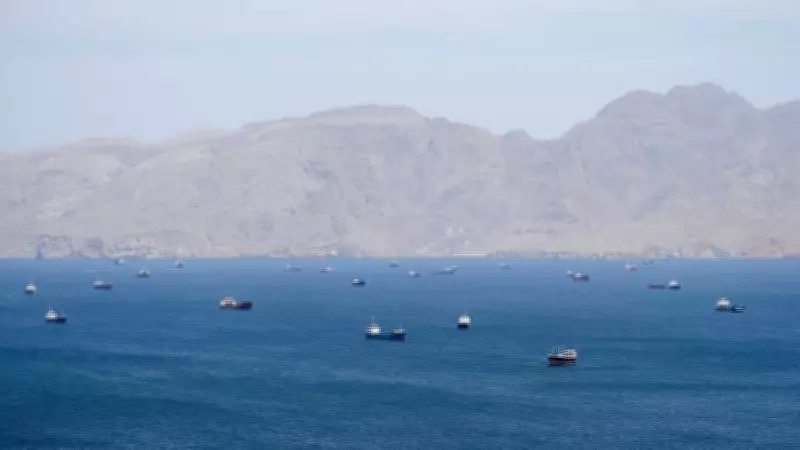
Shipping traffic through the Strait of Hormuz has remained muted as diplomatic efforts between the United States and Iran show no signs of progress. The strategic waterway, through which about a fifth of the world's oil passes, has seen a significant drop in vessel movements since tensions escalated in the region.
No Deal in Sight
Despite intermittent negotiations, no agreement has been reached between Washington and Tehran. The lack of a deal has kept shipping companies and insurers wary, leading to reduced traffic. Analysts suggest that the uncertainty is likely to persist, affecting global oil prices and supply chains.
Impact on Global Trade
The Strait of Hormuz is a critical chokepoint for energy exports from the Middle East. With traffic remaining low, countries heavily reliant on oil imports from the region are exploring alternative routes and suppliers. This shift could have long-term implications for global trade dynamics.

Shipping insurance premiums have soared, further discouraging transit through the strait. Some vessels have opted for longer routes, increasing costs and delivery times. The situation is being closely monitored by international markets.
Regional Tensions
The standoff between the US and Iran continues to fuel instability in the region. Recent incidents involving tankers and naval forces have heightened security concerns. Until a diplomatic breakthrough occurs, the Strait of Hormuz is expected to remain a flashpoint.
Industry experts urge for a swift resolution to avoid prolonged disruption to global energy supplies. However, with both sides entrenched in their positions, a near-term agreement appears unlikely.






