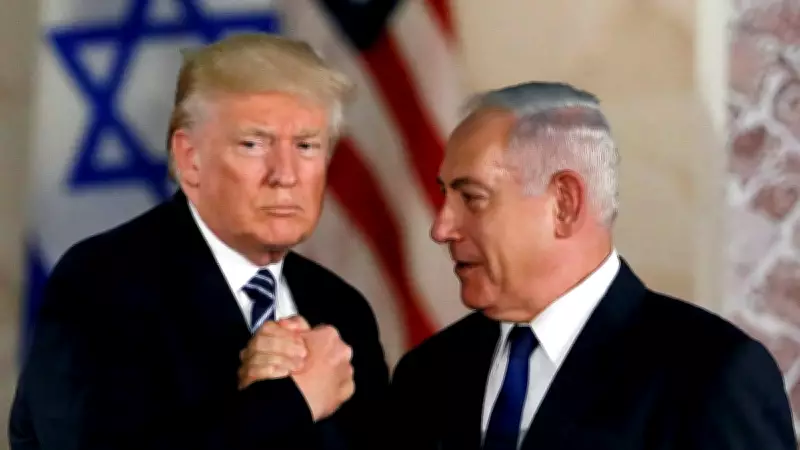
Recent reports have unveiled a tense phone call between former U.S. President Donald Trump and Israeli Prime Minister Benjamin Netanyahu regarding the future of the Iran war. According to sources familiar with the conversation, the call was marked by sharp disagreements and heightened emotions, with one insider describing Netanyahu as having his 'hair on fire.'
Stark Differences in Strategy
The discussion highlighted the stark differences in approach between the two leaders. Trump continues to express optimism that a diplomatic deal can be reached with Iran to halt its nuclear program and de-escalate regional tensions. However, he has also made it clear that he is prepared to resume military operations if negotiations fail. This dual stance has created friction with Netanyahu, who advocates for a more aggressive posture against Tehran.
Netanyahu's Urgency
Netanyahu, facing domestic pressure and security threats, is reportedly pushing for immediate and decisive action. He believes that Iran's nuclear ambitions pose an existential danger to Israel and that waiting for a deal could be catastrophic. The tense exchange underscores the complex dynamics between the two allies, who have historically shared a close bond but now find themselves at odds over one of the most critical issues in the region.

Trump's Position
Trump, on the other hand, is keen to avoid another protracted war in the Middle East. He has repeatedly stated that his preference is a negotiated settlement that ensures Iran never develops nuclear weapons. Yet, he has also warned that if diplomacy fails, he will not hesitate to authorize military strikes. This 'carrot and stick' approach has left Israeli officials uncertain about America's commitment to their security.
Implications for the Region
The phone call comes at a time of heightened volatility in West Asia. Iran has continued to enrich uranium, drawing condemnation from Western powers. The U.S. and Israel have conducted joint military exercises, signaling readiness for conflict. However, the apparent rift between Trump and Netanyahu could complicate coordination and embolden Iran.
As the situation evolves, all eyes are on the next steps. Will Trump's deal-making succeed, or will the region slide back into war? The answer may depend on whether the two leaders can find common ground in the coming weeks.