Trump Renews Tariff Threats Against South Korea Amid Trade Deal Delays
Former US President Donald Trump has once again threatened to raise tariffs on South Korea, reigniting trade tensions between the two nations. This move comes as South Korea faces significant delays in implementing a key trade agreement, coupled with ongoing friction over the perceived mistreatment of American technology companies operating in the country.
Delays in Trade Deal Implementation Spark US Ire
The core issue prompting Trump's tariff threat revolves around South Korea's sluggish progress in enacting a bilateral trade deal. According to reports, South Korea has encountered multiple hurdles in fully implementing the agreement, which was originally designed to enhance economic cooperation and reduce trade barriers. These delays have frustrated US officials, who view them as a breach of commitments, leading to Trump's aggressive stance on potential tariff increases.
Tensions Over US Technology Firms Add to the Strain
Beyond the trade deal delays, tensions have escalated due to concerns over how South Korea treats US technology firms. American companies have reportedly faced challenges in the South Korean market, including regulatory hurdles and competitive disadvantages. This perceived mistreatment has become a significant point of contention, further complicating the trade relationship and prompting Trump to leverage tariffs as a pressure tactic.

Key Factors Behind the Trade Frictions
- Implementation Delays: South Korea's slow adoption of the trade deal has been a primary trigger for US dissatisfaction.
- Tech Sector Issues: Allegations of unfair treatment towards US technology firms have exacerbated bilateral tensions.
- Political Dynamics: Trump's tariff threats reflect broader US strategies to address trade imbalances and protect domestic industries.
- Economic Concerns: Both nations are navigating complex economic landscapes, with trade policies playing a crucial role in their strategic interests.
Implications for US-South Korea Relations
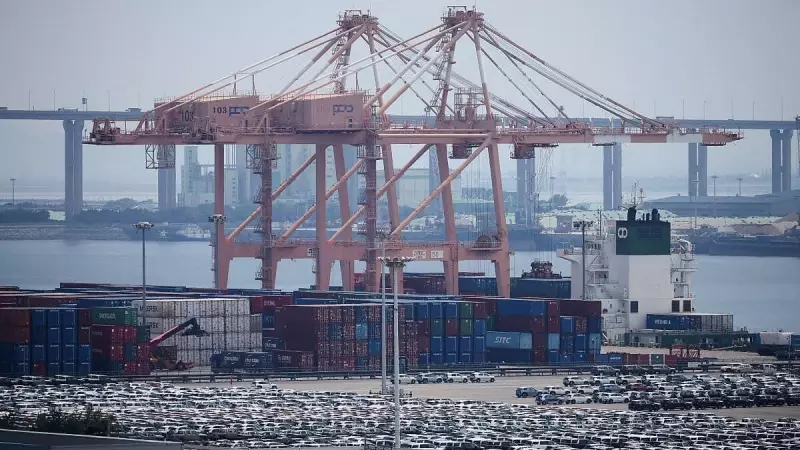
This latest tariff threat underscores the volatile nature of US-South Korea trade relations. If implemented, higher tariffs could impact various sectors, from electronics to automotive industries, potentially leading to retaliatory measures from South Korea. The situation highlights the ongoing challenges in maintaining stable trade partnerships amid geopolitical and economic pressures.
As of January 27, 2026, the standoff continues, with both sides monitoring developments closely. The outcome may hinge on South Korea's ability to address implementation delays and alleviate concerns over US tech firms, while the US weighs its tariff policies in the context of broader trade objectives.