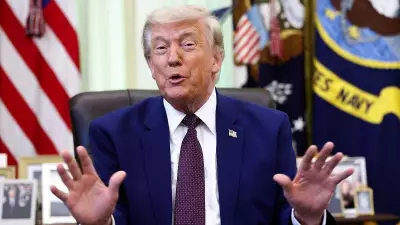
President Donald Trump announced on Tuesday that the United States is close to reaching a 'very good deal' with Iran, amid reports that the agreement has undergone significant changes. Speaking from the White House, Trump expressed optimism about the negotiations, stating, 'We are very close to a deal. It's going to be a very good deal for the United States and for Iran.'
Background of the Iran Nuclear Deal
The original Iran nuclear deal, known as the Joint Comprehensive Plan of Action (JCPOA), was signed in 2015 between Iran and the P5+1 countries (the United States, United Kingdom, France, Russia, China, and Germany). The agreement aimed to curb Iran's nuclear program in exchange for sanctions relief. However, Trump withdrew the US from the deal in 2018, calling it 'the worst deal ever' and reimposing sanctions on Iran.
Recent Developments
Reports have emerged that the new deal includes revisions to key provisions, such as limits on uranium enrichment and the duration of the agreement. While details remain scarce, sources indicate that the US and Iran have made substantial progress in recent talks mediated by European and Middle Eastern allies. Trump's announcement comes after months of indirect negotiations, with both sides signaling a willingness to compromise.

International Reactions
The potential deal has drawn mixed reactions from the international community. European allies, who have long pushed for a return to diplomacy, have cautiously welcomed the news. However, some US lawmakers and Middle Eastern nations, particularly Israel and Saudi Arabia, have expressed concerns about the terms of the new agreement. Critics argue that any deal must address Iran's ballistic missile program and support for regional proxies.
Implications for US Foreign Policy
If finalized, the deal would represent a major shift in US foreign policy under the Trump administration. It could pave the way for broader diplomatic engagement with Iran and reduce tensions in the Middle East. Supporters argue that a diplomatic solution is preferable to military confrontation, while opponents worry that the deal may not be stringent enough to prevent Iran from acquiring nuclear weapons.
Next Steps
The White House has not provided a timeline for the finalization of the agreement. However, Trump indicated that an announcement could come in the 'near future.' The deal will likely require approval from Congress, where it faces bipartisan scrutiny. Meanwhile, Iran has stated that it will only agree to terms that fully respect its sovereignty and lift all sanctions.
As negotiations continue, the world watches closely to see if this 'very good deal' will materialize and what it means for the future of non-proliferation efforts in the region.