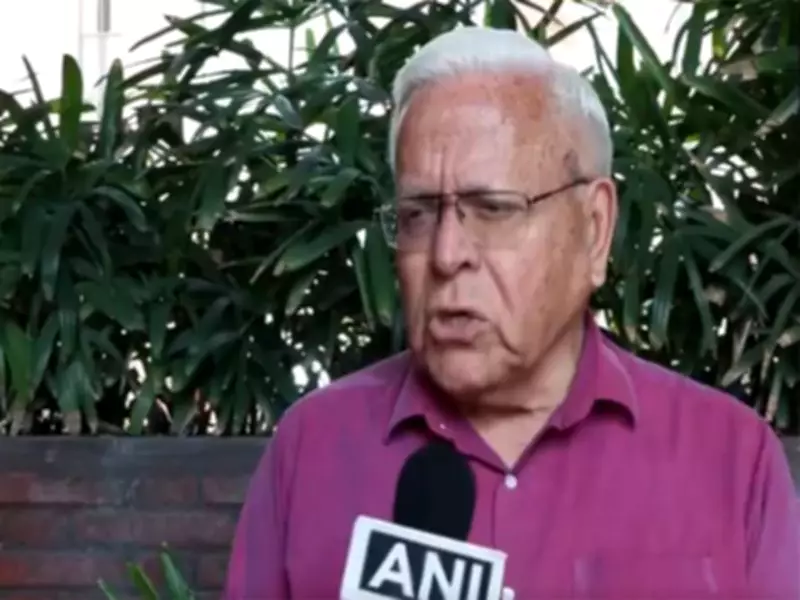
Former Indian diplomat Ashok Sajjanhar has described the United Arab Emirates' decision to leave the Organization of the Petroleum Exporting Countries (OPEC) as a game changer for global energy geopolitics. In an exclusive interview, Sajjanhar, who served as India's ambassador to several countries, including Kazakhstan, Sweden, and Latvia, highlighted the strategic implications of the UAE's move.
Strategic Shift in Oil Alliances
The UAE, one of OPEC's key members, announced its withdrawal from the cartel in March 2023. Sajjanhar noted that this decision reflects a broader shift in the global energy landscape. The UAE aims to pursue an independent oil production strategy, focusing on maximizing its production capacity and diversifying its energy portfolio. This move could potentially alter the balance of power within OPEC and influence global oil prices.
Implications for India and Other Importers
For energy-importing nations like India, the UAE's exit could have mixed consequences. On one hand, increased competition among oil producers might lead to more favorable pricing and supply security. On the other hand, it could lead to greater volatility in oil markets. Sajjanhar emphasized that India must closely monitor these developments and adapt its energy diplomacy accordingly.

The former envoy also pointed out that the UAE's decision is part of a larger trend of producer nations seeking greater autonomy in their energy policies. This includes countries like Saudi Arabia and Russia, which have been cooperating outside the OPEC framework through the OPEC+ alliance. The UAE's exit could weaken the cohesion of OPEC and embolden other members to pursue similar paths.
Geopolitical Ramifications
Sajjanhar underscored that the UAE's move is not merely about oil production but also about geopolitical positioning. The UAE has been actively diversifying its economy and strengthening ties with major powers like China, India, and the United States. By leaving OPEC, the UAE signals its intent to be a more independent player in global energy markets and international relations.
This development comes at a time when the world is grappling with energy security concerns amid the Russia-Ukraine conflict and the ongoing energy transition. Sajjanhar stressed that the UAE's exit could accelerate the fragmentation of global energy governance, with implications for climate change policies and investment in renewable energy.
Looking Ahead
In the long term, the UAE's departure from OPEC might encourage other producers to prioritize national interests over collective action. This could lead to a more decentralized and competitive oil market, benefiting some consumers but also posing challenges for coordinated responses to supply disruptions. Sajjanhar advised that countries like India should engage proactively with the UAE and other key producers to ensure stable and affordable energy supplies.
The former diplomat concluded that the UAE's exit from OPEC is a watershed moment in energy geopolitics, with far-reaching consequences that will unfold over the coming years. As the global energy order evolves, adaptability and strategic foresight will be crucial for all stakeholders.