The United States has decided to put a hold on a substantial arms sale package to Taiwan valued at $1.4 billion. This decision is reportedly aimed at preserving critical munitions stockpiles that could be needed in the event of a conflict with Iran. The pause has sparked a mix of reactions, with Taiwan expressing concern over the delayed delivery of essential defense equipment.
Background of the Arms Sale
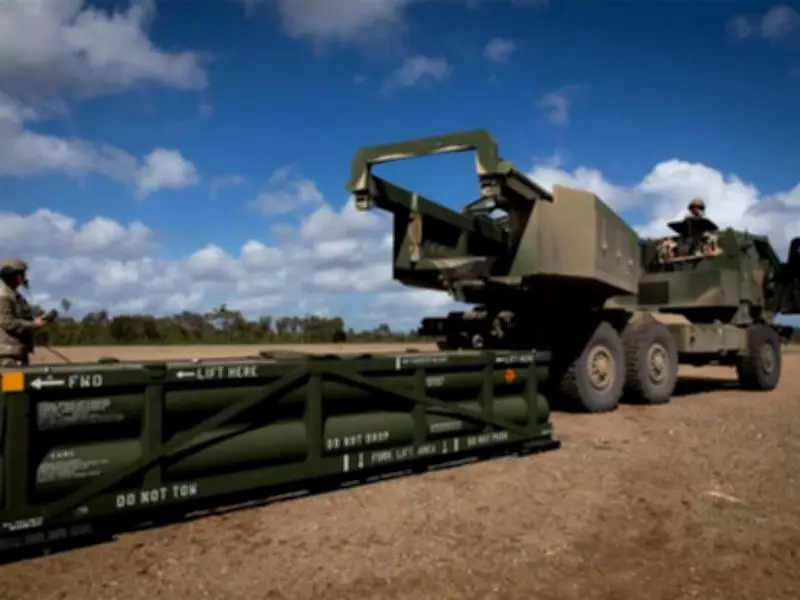
The halted sale includes advanced weaponry such as Harpoon anti-ship missiles, SLAM-ER air-to-ground missiles, and other sophisticated defense systems. These were intended to bolster Taiwan's self-defense capabilities amid rising tensions with China. The deal was initially approved by the Trump administration but has faced delays under the Biden administration.
Reasons for the Pause
According to US officials, the primary reason for the pause is to ensure that the US military maintains adequate munitions reserves to address potential threats from Iran. The US has been increasingly focused on the Middle East, particularly with ongoing tensions over Iran's nuclear program and regional activities. The decision reflects a strategic prioritization of resources to meet immediate security challenges.

Impact on Taiwan
Taiwanese authorities have voiced disappointment, emphasizing that the delay undermines their defense readiness. Taiwan views these arms as crucial for deterring Chinese aggression. The island's defense ministry stated that they are in communication with US counterparts to resolve the issue. Some analysts suggest that the pause could be interpreted as a shift in US commitment to Taiwan's security, though Washington reaffirms its support under the Taiwan Relations Act.
Strategic Implications
The move highlights the complex balancing act the US faces in managing multiple global hotspots. While prioritizing the Iran situation, the US risks signaling a reduced focus on the Indo-Pacific region. China has consistently opposed US arms sales to Taiwan, viewing them as interference in its internal affairs. The pause may temporarily ease tensions with Beijing but could also encourage further Chinese assertiveness.
Future Outlook
It remains unclear when the arms sale will resume. The Biden administration is expected to review the overall approach to Taiwan, including security assistance and diplomatic engagement. Some lawmakers have urged the administration to expedite the sale, arguing that Taiwan's defense needs cannot be sidelined. The situation will likely evolve based on developments in both the Middle East and the Taiwan Strait.
In summary, the US decision to pause the $1.4 billion Taiwan arms sale underscores the difficult trade-offs in defense policy. While aimed at preserving stockpiles for a potential Iran conflict, it has significant ramifications for Taiwan's security and US credibility in Asia. The coming months will be critical in determining how the US balances its commitments across these regions.