US Senator Accuses Trump Administration Figures of Hindering India Trade Negotiations
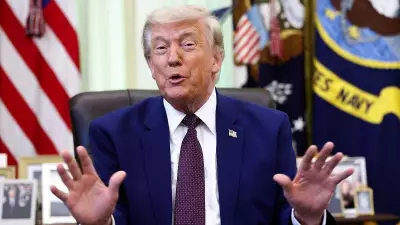
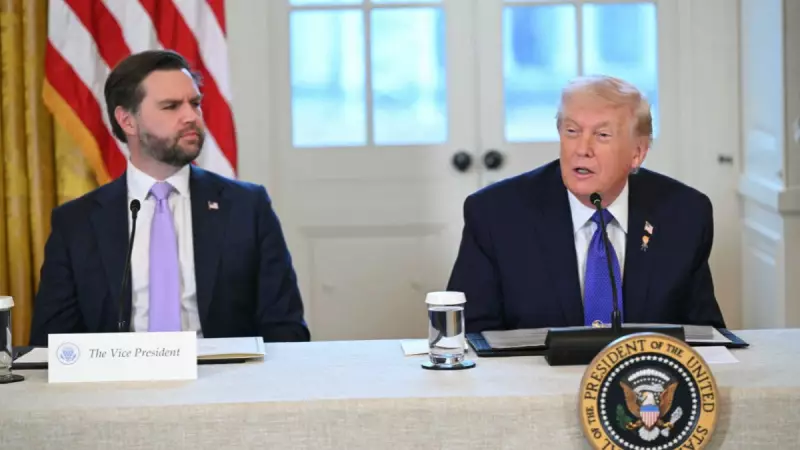
In a significant development affecting international economic diplomacy, a prominent United States Senator has pointed fingers at key figures from the previous administration for derailing pivotal trade discussions with India. The Senator explicitly named former President Donald Trump, along with his close advisors J.D. Vance and Peter Navarro, as responsible parties for the blockage. This accusation sheds light on the ongoing challenges in strengthening trade ties between the two largest democracies in the world.
Detailed Allegations Against Trump-Era Officials
The Senator's statement highlights a pattern of obstruction that has reportedly stalled progress on a comprehensive trade agreement. According to the allegations, the combined influence and policy decisions of Trump, Vance, and Navarro created significant barriers during negotiations. These individuals are accused of adopting a protectionist stance and implementing strategies that prioritized domestic interests over fostering a mutually beneficial partnership with India. Their actions are said to have introduced complexities and delays, preventing the finalization of deals that could have enhanced bilateral trade and investment flows.
Impact on US-India Economic Relations
The blockage of these trade talks has had tangible repercussions on the economic relationship between the United States and India. Key sectors that stood to benefit from a streamlined trade framework include technology, pharmaceuticals, agriculture, and manufacturing. The absence of a formal agreement has led to continued trade imbalances, tariff disputes, and missed opportunities for collaboration in emerging fields like renewable energy and digital services. This stagnation contrasts with the strategic importance both nations place on their partnership, particularly in countering global economic challenges and geopolitical shifts.

Broader Political and Diplomatic Implications
This criticism from a US Senator underscores the deep-seated political divisions within American trade policy. It reflects ongoing debates between protectionist and free-trade advocates, with India's case becoming a focal point. The allegations also raise questions about the long-term consistency of US foreign economic policy, especially as administrations change. For India, this situation necessitates a recalibration of its diplomatic approach, potentially seeking more stable and predictable partners or intensifying efforts to resolve outstanding issues through multilateral forums.
Future Prospects for Trade Negotiations
Despite the current impasse, there is cautious optimism for reviving trade talks under the current US administration. The Senator's public condemnation may serve as a catalyst for renewed efforts to bridge differences and address the legacy of past obstructions. Potential areas for compromise include intellectual property rights, market access for agricultural products, and digital trade norms. Success in these negotiations could unlock significant economic benefits, fostering job creation, innovation, and stronger strategic alignment between the US and India in the Indo-Pacific region.