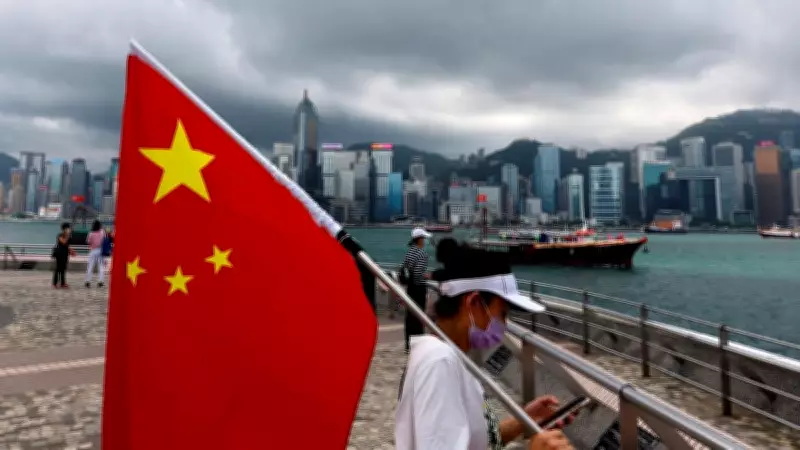
In a clear signal to its citizens, China is tightening its grip on capital outflows, urging individuals to keep their money within the country's borders. The government is imposing new restrictions on how ordinary people can participate in international financial markets, as part of a broader effort to stem capital flight and stabilize the domestic economy.
New Measures to Curb Capital Outflows
The latest regulations, reported by the International New York Times, limit the ways Chinese citizens can invest abroad. These include stricter controls on overseas property purchases, foreign stock investments, and even cross-border transfers for education or travel. The move is seen as Beijing's attempt to prevent wealth from leaving the country amid a slowing economy and a weakening yuan.
Impact on Individual Investors
For many Chinese, these restrictions mean fewer opportunities to diversify their savings globally. Previously, some channels allowed limited foreign investments, but the new rules close loopholes and increase scrutiny. Financial experts warn that such measures could backfire, potentially reducing confidence in China's financial system and encouraging illegal capital flight.

The government's message is unequivocal: personal wealth should be deployed domestically to support state priorities, such as technological self-sufficiency and infrastructure projects. This aligns with President Xi Jinping's vision of 'common prosperity,' which emphasizes reducing wealth inequality and ensuring that capital serves national interests.
Broader Economic Context
China's capital controls are not new, but they have intensified in recent years. The country faces significant economic headwinds, including a property market slump, demographic challenges, and trade tensions with the West. By restricting outflows, Beijing hopes to maintain foreign exchange reserves and prevent a sharp depreciation of the yuan.
However, critics argue that these policies may isolate China from global financial markets and deter foreign investment. The long-term effects remain uncertain, but for now, Chinese citizens are being told that their money belongs at home.