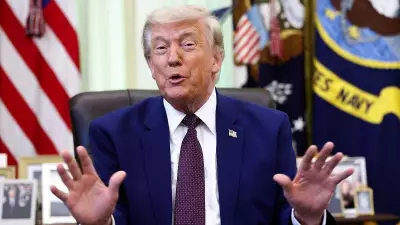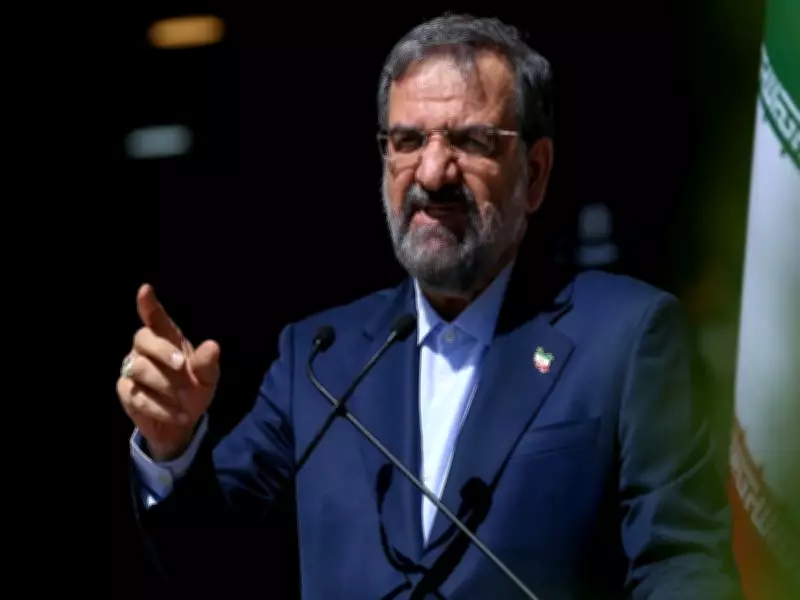
A senior advisor to Iran's Supreme Leader Ayatollah Ali Khamenei has issued a direct and stern warning to former US President Donald Trump, stating unequivocally that Iran will force the United States to retreat and surrender. The statement, reported by Iranian state media, marks the latest escalation in rhetoric between the two nations, which have been at odds for decades.
Advisor's Strong Statement
The advisor, whose identity has not been disclosed in the initial reports, conveyed the message in a meeting with foreign diplomats. "We will force them to retreat and surrender," the advisor said, referring to the US and its allies. The warning comes amid ongoing tensions over Iran's nuclear program, US sanctions, and regional conflicts in the Middle East.
Context of Rising Tensions
Relations between Iran and the US have been particularly fraught since Trump's administration withdrew from the 2015 nuclear deal, known as the Joint Comprehensive Plan of Action (JCPOA), in 2018. The US subsequently reimposed crippling sanctions on Iran, prompting Tehran to exceed uranium enrichment limits. While President Joe Biden has expressed willingness to re-enter the deal, negotiations have stalled in recent months.

Iran's Supreme Leader has consistently taken a hardline stance against the US, often referring to it as the "Great Satan." The advisor's latest remarks align with this rhetoric, signaling that Iran will not back down under pressure. "The United States must understand that the era of bullying is over," the advisor added.
Reactions and Implications
The warning has drawn mixed reactions internationally. Some analysts view it as a calculated move to strengthen Iran's negotiating position, while others see it as a dangerous provocation that could lead to military confrontation. The US State Department has not yet issued an official response, but former officials have expressed concern over the escalating language.
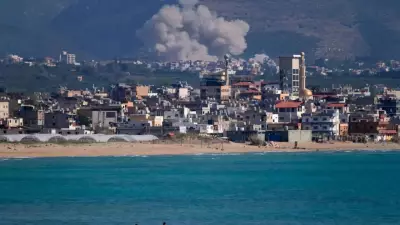
In the region, Iran's allies, including Hezbollah in Lebanon and various militias in Iraq and Syria, have also increased their anti-US rhetoric. This has raised fears of a broader conflict, particularly as Iran continues to develop its ballistic missile program and support proxy forces.
Historical Context
Iran and the US have a history of hostility dating back to the 1979 Iranian Revolution and the subsequent hostage crisis. Tensions have flared multiple times, including the 1988 US shooting down of an Iranian passenger plane and the 2020 US drone strike that killed Iranian General Qasem Soleimani. The advisor's warning echoes the defiance often displayed by Iranian leaders in the face of US pressure.
The international community, including the European Union and the United Nations, has called for de-escalation. However, with both sides entrenched in their positions, the path to diplomacy remains uncertain. The advisor's statement underscores the deep mistrust and animosity that continue to define US-Iran relations.