

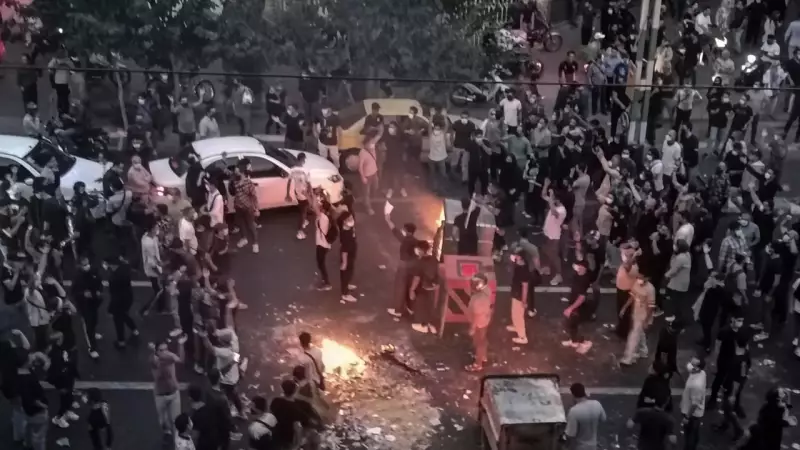
In a significant diplomatic move, Iran has formally approached the United Nations Security Council, levelling serious accusations against the United States and Israel for allegedly fomenting unrest within its borders. The action comes as the country grapples with over ten days of continuous protests, marking one of the most severe challenges to the government in recent years.
Iran's Formal Complaint to the United Nations
On Friday, Iran's envoy to the UN, Amir Saeid Iravani, submitted a letter condemning what he termed as the unlawful and irresponsible conduct of the United States. The letter, seen by Reuters, accuses Washington of coordinating with the Israeli regime to interfere in Iran's internal affairs. Tehran claims this interference has deliberately transformed peaceful demonstrations into violent and subversive acts, including widespread vandalism.
Iran's UN envoy specifically charged the US with employing destabilizing practices that undermine the UN Charter, violate international law, and threaten global peace and security. The core of the accusation is that external forces are encouraging instability and violence within the Islamic Republic.

Nationwide Unrest and Escalating Tensions
The diplomatic offensive coincides with sustained protests across Iran, with fresh unrest reported as recently as Friday night. The protests, which began in late December initially over economic grievances, have since evolved into a broad-based challenge. Human rights groups report a rising death toll.
Norway-based Iran Human Rights states that at least 51 protesters, including nine children, have been killed by security forces, with hundreds injured. Overall, at least 65 people have lost their lives since the demonstrations started. Videos shared on social media and by Persian-language channels abroad show significant protests in major cities including Tehran, Mashhad, Tabriz, and the holy city of Qom.
Internet Blackout and International Reactions
Authorities have responded with a severe crackdown, including a nationwide internet shutdown documented by monitoring group NetBlocks over the past 24 hours. Amnesty International condemned this blanket shutdown, stating its purpose is to hide the extent of human rights violations being carried out to crush the dissent.
The situation has triggered a war of words between Iranian leadership and the United States. US President Donald Trump has openly voiced support for the protesters, warning Tehran, "You better not start shooting because we’ll start shooting too." Iran's Supreme Leader Ayatollah Ali Khamenei hit back, comparing Trump to historical oppressors like Pharaoh and predicting his downfall. Khamenei also accused Trump of having hands "stained with the blood of more than a thousand Iranians," referencing US involvement in past conflicts.
The current wave of rallies is described as the largest since the 2022-2023 protest movement triggered by the death of Mahsa Amini. With the internet severed and international pressure mounting, the crisis presents a formidable test for the leadership in Tehran, which faces pressure both domestically and from abroad.






