

Iran Lays Out Demands for Permanent Peace Agreement with United States
In a significant development that could reshape diplomatic relations in the Middle East, Iran has formally established preconditions for engaging in talks aimed at achieving a lasting peace with the United States. According to a detailed report from Reuters, these conditions include a controversial proposal to impose fees on commercial and military vessels navigating the vital Strait of Hormuz.
Key Preconditions for Negotiations
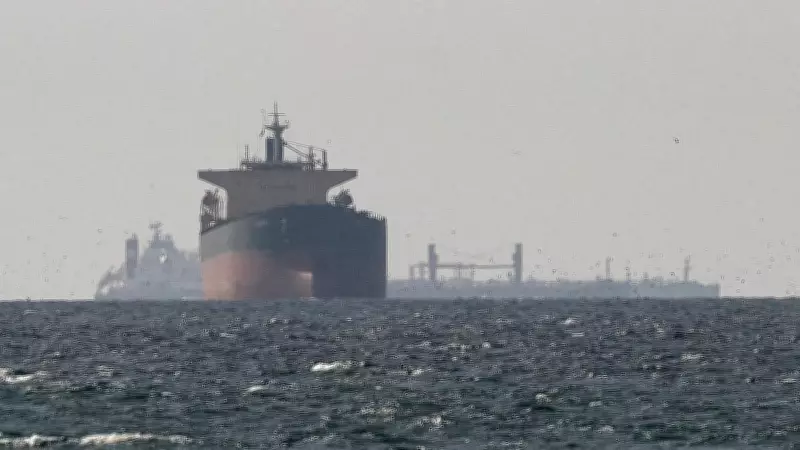
The Iranian government, through official channels, has communicated that any comprehensive peace agreement must address several core issues. Central to their demands is the establishment of a mechanism allowing Iran to levy charges on ships passing through the Strait of Hormuz. This strategic waterway, a critical chokepoint for global oil shipments, sees approximately one-fifth of the world's petroleum transit annually.
The proposed fee structure would not be uniform; instead, it would vary based on multiple factors. These include the type of vessel, whether it is a tanker, cargo ship, or naval craft, as well as the nature of its cargo. Additionally, fees would be adjusted according to prevailing geopolitical and economic conditions, potentially creating a dynamic pricing model that reflects real-time tensions or market fluctuations.

Implications for Global Trade and Diplomacy
This precondition represents a bold move by Iran to assert greater control over one of the world's most important maritime routes. The Strait of Hormuz connects the Persian Gulf with the Gulf of Oman and the Arabian Sea, serving as a lifeline for energy exports from countries like Saudi Arabia, Iraq, and the United Arab Emirates. Imposing fees could significantly impact global shipping costs and energy prices, raising concerns among international traders and allied nations.
The Reuters report, dated April 7, 2026, highlights that these demands are part of a broader framework for a permanent peace deal. Such an agreement would aim to resolve longstanding tensions between Iran and the US, which have included disputes over nuclear programs, regional influence, and economic sanctions. By linking peace talks to maritime fees, Iran is positioning the Strait of Hormuz as a bargaining chip in high-stakes diplomacy.
Potential Challenges and Reactions
Analysts suggest that the US and its allies are likely to view the fee proposal with skepticism, as it could be seen as an attempt to monetize a key international waterway. Under international law, straits used for international navigation are generally subject to transit passage rights, which might complicate Iran's ability to unilaterally impose such charges. However, Iran's strategic location gives it de facto control over the strait, allowing it to enforce maritime policies through its military presence.
Key points from the report include:
- Iran insists that a lasting peace deal must incorporate the right to demand fees for Strait of Hormuz passage.
- Fees would be variable, depending on ship type, cargo, and current conditions.
- This precondition is part of a larger set of demands aimed at securing a comprehensive agreement with the United States.
- The proposal could have far-reaching effects on global trade, particularly in the energy sector.
As of now, there has been no official response from the US government regarding these preconditions. The situation remains fluid, with observers closely monitoring whether this development will lead to renewed dialogue or further escalate tensions in an already volatile region.






