Ghalibaf Dismisses Trump's Threat as Desperation
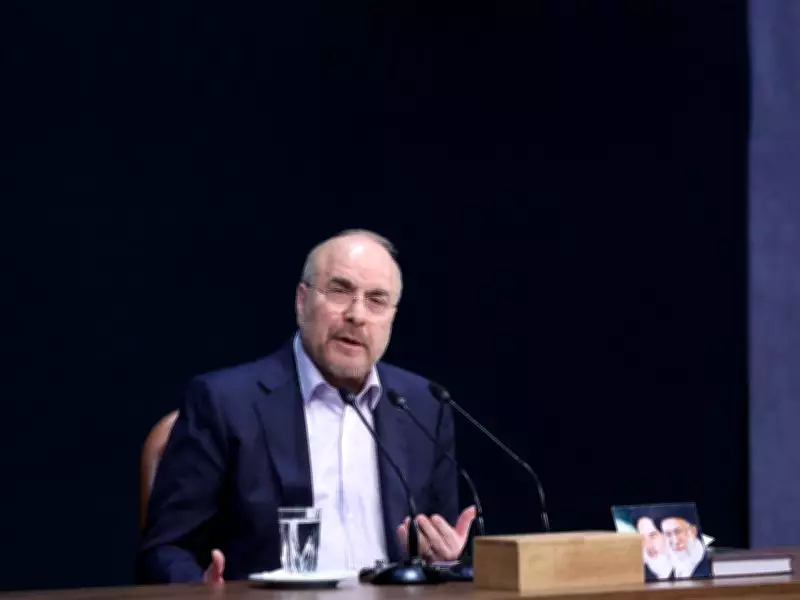
Iranian Parliament Speaker MB Ghalibaf sharply criticized US President Donald Trump's recent warning, calling it a sign of American 'desperation' and asserting that Iran will not be intimidated. Ghalibaf, who also serves as Iran's chief negotiator, posted on X that the threats are ineffective and that Iran's armed forces are prepared to respond if necessary.
'Don't they think to themselves that if their threats had any effect, they wouldn't have reached the point of despair today? We don't count on the threats of the Americans. They better be careful with their statements, our armed forces are ready to respond in another way. Whatever they say, we are the ones who will act,' Ghalibaf wrote.
Trump's Warning Over Lebanon Proxies
Trump's warning came via a post on Truth Social, where he demanded that Iran 'immediately stop their highly paid PROXIES in Lebanon from causing trouble. If they don't, we'll hit Iran very hard again, just like we did last week, only harder!!!' This was a veiled reference to Hezbollah, the Iran-backed militant group in Lebanon.

The exchange marks the latest escalation in rhetoric between Washington and Tehran amid ongoing technical talks in Switzerland. These talks are part of the 14-point memorandum of understanding (MoU) aimed at ending hostilities in West Asia.
High-Level US-Iran Talks in Switzerland
The first round of high-level US-Iran diplomatic talks in Switzerland concluded after 80 minutes, with the session suspended to allow delegations to conduct 'internal consultations,' according to Iran's Fars news agency. US Vice President JD Vance convened with senior Iranian officials on Sunday to begin high-level diplomatic efforts seeking a complete solution to the West Asia crisis.
During the talks, mediated by Pakistan and Qatar, Vance articulated Washington's readiness to 'fundamentally transform' its relations with Tehran, relaying a directive from Trump encouraging both parties to turn 'a new leaf' in their diplomatic engagement.
Key Issues on the Table
The discussions include key stakeholders and primarily address Tehran's nuclear programme and overcoming critical obstacles within the framework of a fragile interim agreement, including the operational status of the Strait of Hormuz. The technical talks are part of broader efforts to de-escalate tensions and stabilize the region.
According to the source, the content is from a syndicated feed and is published as received, with The Tribune assuming no responsibility for its accuracy.