Middle East Maritime Tensions Intensify with Drone Attack Near Oman's Salalah Port
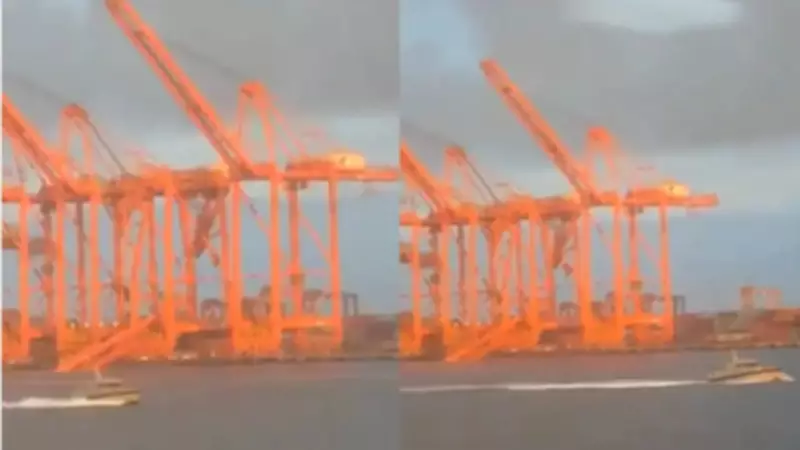
The ongoing conflict in the Middle East has entered a more dangerous and expansive phase, with recent developments indicating a significant escalation in maritime zones. Fresh reports of drone activity near the strategically vital port of Salalah in Oman have raised alarms across global shipping and energy markets, signaling that the confrontation is spreading beyond traditional military targets into critical commercial corridors.
Iran Confirms Targeting US-Linked Vessel in Bold Escalation
Adding substantial gravity to the situation, Iran's military has publicly acknowledged targeting what it describes as a US-associated vessel in the vicinity of the Omani port. According to statements from Iranian state media, Ebrahim Zolfaghari, spokesman for Iran's central military command, declared, "A logistics vessel supporting the aggressive US army was targeted by the armed forces of the Islamic Republic of Iran at a considerable distance from the port of Salalah in Oman."
This explicit claim represents a bold escalation in the conflict, directly linking Iran's military actions to US support operations in the region. The statement frames the strike as defensive or retaliatory, conducted away from civilian port infrastructure, but the implications extend far beyond mere messaging.

Strategic Importance of Salalah Port in Global Trade Networks
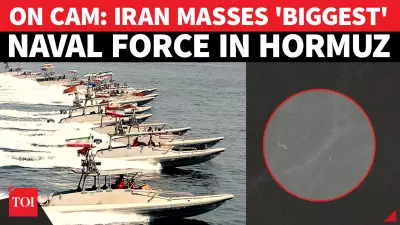
The port of Salalah is not merely a regional harbor but a crucial transshipment hub connecting Asia, the Middle East, and Africa. As a key logistics node for both commercial and strategic operations, its location along vital international shipping lanes makes it particularly significant. The waters surrounding Oman connect to the Arabian Sea and the Strait of Hormuz, a critical chokepoint through which approximately one-fifth of the world's oil supply passes.
An attack in or near this area signals a dangerous shift from battlefield confrontation to infrastructure disruption. Even if the strike occurred at a distance, the psychological and economic impact is immediate and far-reaching. The incident suggests Iran's willingness to engage US-linked assets directly, expand operational zones, and pursue strategies that blur the lines between military and logistical targets.
Global Economic Consequences and Market Reactions
The maritime dimension of this crisis is rapidly becoming one of its most volatile fronts, with immediate global consequences. Recent developments indicate increased drone and missile activity near shipping routes, creating heightened risks for commercial vessels, rising insurance costs, and potential shipping delays.
Global markets are already reacting to these developments, with concerns about potential threats to oil supply routes, shipping uncertainty, and escalation risks. Historically, any instability near the Strait of Hormuz has triggered oil price spikes, increased freight costs, and volatility in global trade patterns. The current situation is reviving these familiar but deeply concerning patterns of conflict spilling into energy and trade lifelines at sea.
Widening Conflict Theater and Escalation Risks
The reported strike near Salalah represents more than an isolated incident. It indicates a widening theater of conflict, a shift toward economic and logistical targets, and growing risks to global stability. The Gulf and surrounding waters are now caught in a complex web of tensions involving Iran, Israel, the United States, regional allies, and global economic stakeholders.
Nearby countries are increasingly concerned about spillover effects, infrastructure vulnerability, and the broader civilian and economic impact of these escalating tensions. As the conflict expands, the lines between war zones and international trade routes are becoming increasingly blurred, creating new challenges for global security and economic stability.
Potential Scenarios and Future Implications
The immediate future remains uncertain, but several potential scenarios are emerging from this escalation. These include increased naval presence in the region, heightened surveillance of shipping lanes, possible retaliatory measures by the United States or its allies, and intensified diplomatic efforts to contain further escalation.

Simultaneously, the risk of miscalculation is rising significantly, where a single incident could potentially trigger a wider regional or even global conflict. For Washington and its allies, Iran's confirmed targeting of a US-associated vessel raises the stakes considerably, potentially pushing the confrontation closer to direct military engagement.
The expansion of conflict into maritime zones represents a significant development in the ongoing Middle East tensions, with implications that extend far beyond regional boundaries to affect global trade, energy security, and international stability.