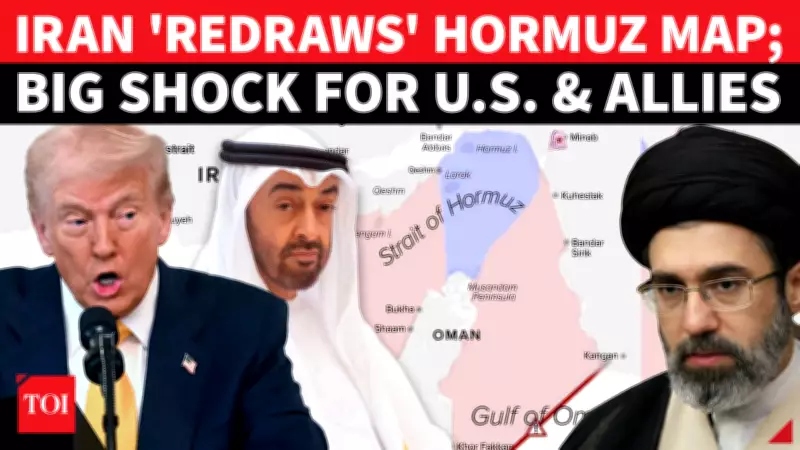
Iran's Islamic Revolutionary Guard Corps (IRGC) has released a controversial new map asserting expanded control over key parts of the Strait of Hormuz, including maritime zones stretching toward the UAE coast near Fujairah and Umm Al Quwain. The move comes amid heightened tensions in the Gulf and the ongoing Iran-US crisis.
Map Details and Claims
The new map, unveiled by the IRGC, depicts areas that Tehran claims fall under its jurisdiction. According to Iranian authorities, ships passing through the strategic waterway must coordinate with Iranian authorities. This demand has raised concerns across the Gulf region and sparked fears over global oil supplies and freedom of navigation.
Strategic Importance of the Strait of Hormuz
The Strait of Hormuz remains one of the world's most critical energy chokepoints. Approximately 20% of the world's oil passes through this narrow waterway, making any disruption a major concern for global markets. The IRGC's claims have intensified fears of potential conflict, as the strait is vital for oil shipments from Saudi Arabia, Iraq, Kuwait, and the UAE.

Reactions and Implications
The release of the map has prompted panic in Gulf states, with concerns about the safety of maritime trade. The UAE, in particular, has expressed alarm over the IRGC's claims near its territorial waters. International observers warn that the move could escalate tensions further, potentially leading to confrontations between Iranian forces and naval vessels from other nations.
This development comes as the United States and Iran remain locked in a crisis, with both sides exchanging threats. The IRGC's actions are seen as an attempt to assert dominance in the region and challenge US-led maritime security efforts.
Broader Context
The IRGC's map is part of a series of provocative moves by Iran in recent months. Analysts suggest that Tehran is leveraging its strategic position to gain leverage in negotiations with the West. However, the new claims could backfire by uniting Gulf states against Iran and prompting increased international naval patrols.
Global oil markets have reacted cautiously, with prices edging higher on fears of supply disruptions. The situation remains fluid, with diplomatic efforts underway to de-escalate tensions.