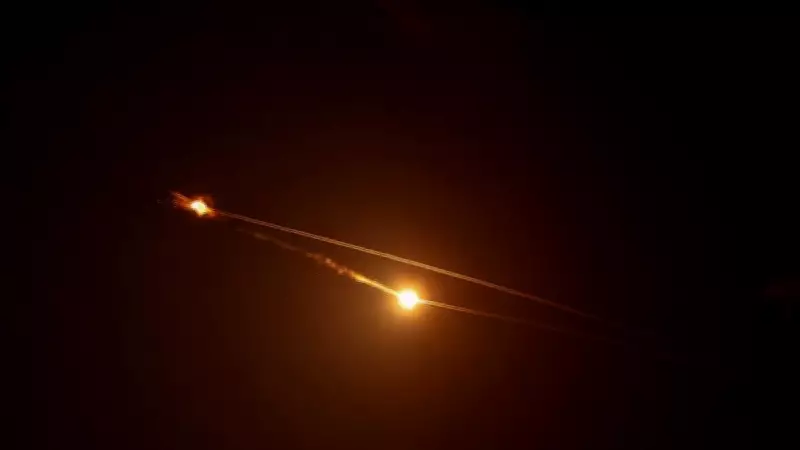
Israel Grapples with Severe Interceptor Shortage as Regional Threats Escalate
A recent report has highlighted a critical situation for Israel's defense infrastructure, indicating that the country is running dangerously low on missile interceptors. This shortage comes at a time of heightened tensions in the Middle East, raising serious concerns about Israel's ability to protect its airspace and civilian population from potential attacks.
Details of the Interceptor Crisis
The report, which has garnered significant attention from defense analysts and policymakers, underscores the severity of the interceptor deficit. Israel relies heavily on its multi-layered missile defense system, which includes the Iron Dome, David's Sling, and Arrow systems, to neutralize threats from rockets and missiles. However, the current stockpile of interceptors for these systems is reportedly insufficient to sustain prolonged engagements.
Key factors contributing to this shortage include:

- High operational tempo: Recent conflicts and skirmishes have led to the frequent deployment of interceptors, depleting reserves faster than they can be replenished.
- Supply chain challenges: Global disruptions and production delays have hampered the timely acquisition of new interceptors.
- Increased threat landscape: The proliferation of advanced missile technologies among regional adversaries has necessitated more interceptor usage per threat.
Implications for National Security
The interceptor shortage poses a direct threat to Israel's national security. Without an adequate supply, the country's ability to defend against simultaneous attacks from multiple fronts could be compromised. This vulnerability is particularly alarming given the ongoing conflicts with groups like Hamas and Hezbollah, which have demonstrated significant rocket capabilities.
Defense experts warn that a depleted interceptor stockpile could lead to:
- Reduced interception rates, potentially allowing more rockets to hit populated areas.
- Increased reliance on other defense measures, which may be less effective.
- Strategic disadvantages in deterring adversaries who might exploit this weakness.
Regional and Global Context
This development occurs against a backdrop of escalating tensions in the Middle East. Recent months have seen a surge in cross-border incidents, proxy conflicts, and diplomatic strains, all of which heighten the risk of large-scale military confrontations. Israel's interceptor shortage could influence regional power dynamics, as adversaries may perceive an opportunity to challenge its defense posture.
Internationally, allies and partners are closely monitoring the situation. The United States, a key supplier of defense technology to Israel, may face pressure to expedite deliveries or provide emergency support. However, geopolitical considerations and domestic priorities could complicate such efforts.
Response and Future Outlook
Israeli defense officials have acknowledged the issue and are reportedly taking steps to address the shortfall. Measures under consideration include:
- Accelerating domestic production of interceptors to reduce dependency on foreign suppliers.
- Enhancing diplomatic efforts to secure faster procurement from allied nations.
- Investing in research and development for next-generation defense systems that are more cost-effective and efficient.
Despite these efforts, the report suggests that replenishing interceptor stocks will take time, leaving Israel in a precarious position in the near term. The situation underscores the broader challenges of maintaining robust defense capabilities in a volatile region, where threats can emerge rapidly and without warning.
As Israel navigates this crisis, the global community watches closely, recognizing that the stability of the Middle East hinges on the balance of power and the ability of nations to defend themselves effectively. The interceptor shortage serves as a stark reminder of the ongoing arms race and the constant need for vigilance in an unpredictable security environment.