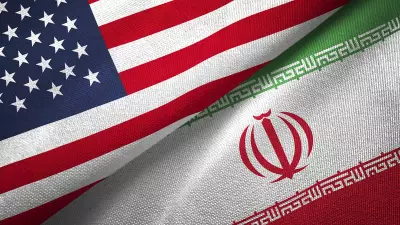
Israel carried out new airstrikes on an Iranian petrochemical plant on Sunday, escalating tensions in the Middle East despite a sharp reprimand from former U.S. President Donald Trump. The strikes mark a significant escalation in the ongoing shadow war between the two nations, coming just hours after Trump warned that such actions could undermine his administration's peace negotiations with Tehran.
Details of the Attack
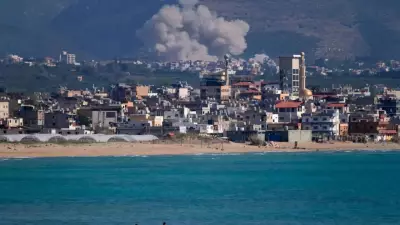
According to sources familiar with the operation, Israeli fighter jets targeted a key petrochemical facility in southern Iran, causing extensive damage. The plant, which plays a crucial role in Iran's petrochemical industry, was hit by multiple precision-guided munitions. Iranian state media confirmed the attack, reporting that air defense systems were activated and that several missiles were intercepted, but acknowledged damage to the facility. No casualties have been reported so far.
The strike is the latest in a series of Israeli operations aimed at crippling Iran's military and industrial capabilities, particularly its nuclear and missile programs. However, targeting a major economic asset like the petrochemical plant represents a new phase in the conflict.

Trump's Reprimand and Peace Talks
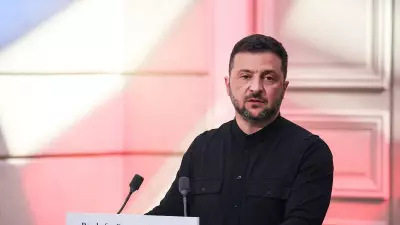
The attack came hours after Donald Trump, in a press conference, criticized Israel's previous strikes and warned that new aggression could jeopardize ongoing peace talks between the United States and Iran. Trump stated, “Prime Minister Netanyahu doesn’t call the shots. My administration is leading the negotiations with Tehran, and any further escalation will not be tolerated.” Despite this strong language, Israel proceeded with the operation, signaling a potential rift between the two allies.
Trump has been pursuing a diplomatic agreement with Iran, aiming to curb its nuclear ambitions and regional influence. The Israeli strikes, however, threaten to derail these efforts, as Tehran may view them as a sign of U.S. complicity or weakness.
Regional and International Reactions
The strike has drawn condemnation from Iran, which vowed retaliation. Iran's Foreign Ministry issued a statement saying, “This act of aggression will not go unanswered. Iran reserves the right to defend itself and will respond at a time and place of its choosing.” Meanwhile, other regional actors have called for restraint. Saudi Arabia and the United Arab Emirates expressed concern over the escalation, urging all parties to avoid further conflict.
Internationally, the United Nations called for an immediate de-escalation, with a spokesperson stating, “We urge all parties to exercise maximum restraint and return to diplomatic channels.” The European Union also voiced alarm, with foreign policy chief Josep Borrell saying, “These strikes undermine stability in an already volatile region. We call on Israel and Iran to cease hostilities and engage in dialogue.”
Implications for U.S.-Israel Relations
The incident highlights growing tensions between the Trump administration and the Israeli government under Prime Minister Benjamin Netanyahu. While the U.S. has historically been Israel's strongest ally, Trump's push for a deal with Iran has created friction. Analysts suggest that Israel's decision to strike despite Trump's warning reflects Netanyahu's belief that Iran's nuclear program poses an existential threat that must be countered regardless of diplomatic efforts.
This could lead to a reassessment of the U.S.-Israel relationship, particularly if Trump follows through on threats to limit support. However, pro-Israel voices in the U.S. Congress may resist any significant shift in policy.
Broader Context
The petrochemical plant strike is part of a broader pattern of Israeli operations against Iranian assets in Syria, Iraq, and Iran itself. Israel has long accused Iran of using its petrochemical industry to fund proxy groups and develop weapons. The attack also comes amid heightened tensions following Iran's recent advances in uranium enrichment, which Israel views as a red line.

As the situation evolves, the risk of a wider regional war remains high. Iran's potential retaliation could target Israeli interests abroad or its allies in the region, such as Saudi Arabia. The international community is closely watching for any signs of further escalation.