

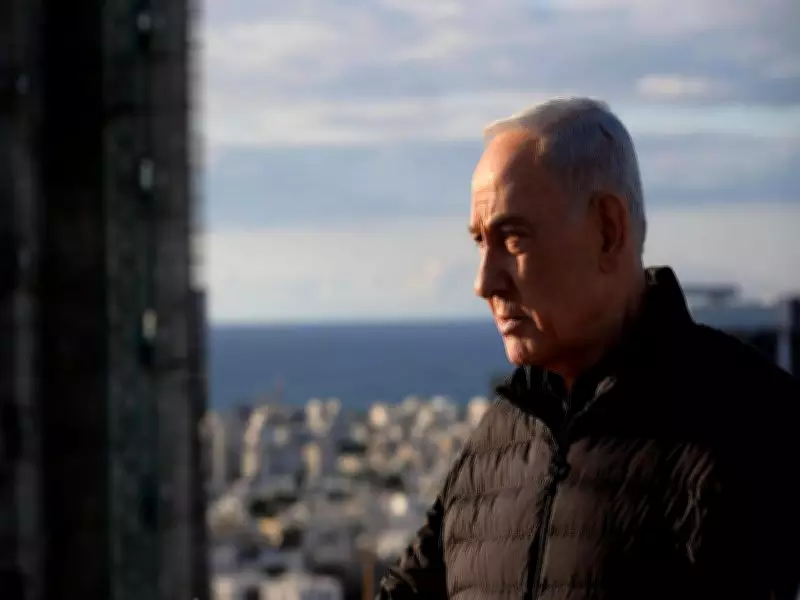
Netanyahu Calls for Direct Negotiations with Lebanon, Emphasizes Hezbollah Disarmament
Israeli Prime Minister Benjamin Netanyahu has issued a significant call for open and direct negotiations with Lebanon, with a primary focus on the disarmament of the militant group Hezbollah. This move comes amid escalating regional tensions and ongoing conflicts in the Middle East, highlighting Israel's strategic priorities in securing its northern border.
Urgent Appeal for Diplomatic Engagement
In a recent statement, Netanyahu emphasized the necessity of face-to-face talks between Israel and Lebanon to address long-standing security concerns. He stressed that such negotiations should be conducted without intermediaries, aiming to foster transparency and build mutual trust. The Israeli leader argued that direct dialogue is essential for resolving disputes and preventing further escalation of hostilities in the region.
Focus on Hezbollah's Military Capabilities
The core of Netanyahu's proposal centers on the disarmament of Hezbollah, which Israel views as a major threat due to its extensive arsenal and influence in Lebanon. Netanyahu highlighted that Hezbollah's military presence, including its rocket stockpiles and militant activities, poses a direct risk to Israeli security. He called for international support to pressure Lebanon into dismantling Hezbollah's armed wing, asserting that this step is crucial for regional stability.

Regional Context and Implications
This call for negotiations occurs against a backdrop of heightened tensions, including recent skirmishes along the Israel-Lebanon border and broader geopolitical rivalries involving Iran, which backs Hezbollah. Netanyahu's move is seen as an attempt to isolate Hezbollah diplomatically and strengthen Israel's position in potential peace talks. Analysts suggest that successful disarmament could reduce the likelihood of a large-scale conflict, but it faces significant challenges given Hezbollah's entrenched role in Lebanese politics and society.
International Reactions and Next Steps
While Lebanon has not yet formally responded, regional and global powers are closely monitoring the situation. The United Nations and other international bodies have previously advocated for dialogue to de-escalate tensions. Netanyahu's proposal may reignite debates over Lebanon's sovereignty and the balance of power in the Middle East. Observers note that any progress will depend on Lebanon's willingness to engage and the broader diplomatic efforts to address Hezbollah's status.






