The Escalating Battle for the Strait of Hormuz: A Critical Juncture
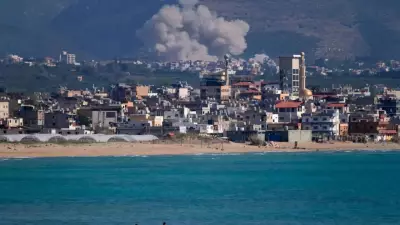
As the conflict in the Middle East approaches the three-week mark, the strategic Strait of Hormuz has become the focal point of an intensifying military and diplomatic struggle. This crucial waterway, a vital artery for global oil shipments, is now at the heart of a crisis that is testing international relations and leadership on a grand scale.
President Trump's Leadership Under Scrutiny
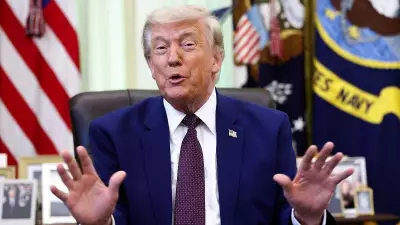
At the center of this escalating situation is President Donald Trump, who is facing a formidable array of military and diplomatic choices. These decisions are not only shaping the course of the conflict but are also serving as a rigorous test of his abilities as a leader. The complexity of the Strait of Hormuz battle presents a multifaceted challenge that requires careful navigation of both tactical and strategic considerations.
The military dimension of the conflict involves critical choices about troop deployments, naval operations, and air support in a region known for its volatile geopolitics. Simultaneously, the diplomatic front demands delicate negotiations with allies, regional powers, and international organizations to prevent further escalation and seek peaceful resolutions.

Strategic Importance of the Strait of Hormuz
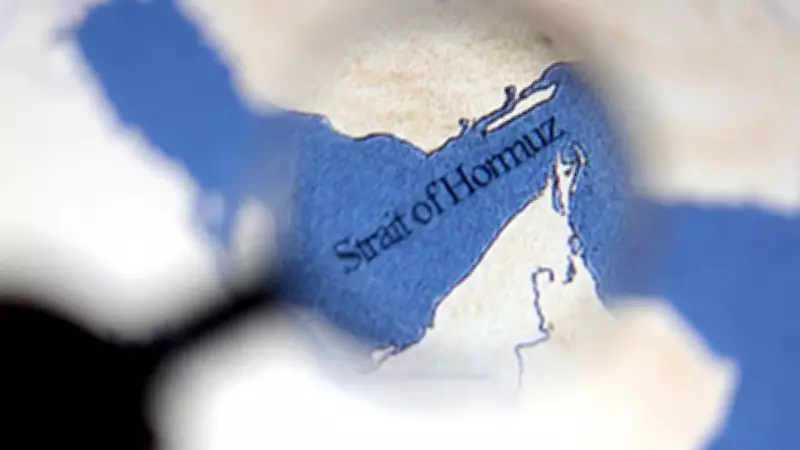
The Strait of Hormuz holds immense strategic significance for global energy markets and international security. As one of the world's most important oil chokepoints, any disruption in this narrow passage can have far-reaching consequences for the global economy. The current conflict has already raised concerns about oil supply stability and regional security dynamics.
Key aspects of the escalating situation include:
- Increased military presence from multiple nations in the region
- Growing tensions between regional powers with competing interests
- Potential impact on global oil prices and energy security
- Diplomatic efforts to de-escalate the conflict through international channels
Leadership Challenges in a Complex Conflict
President Trump's decision-making process is being closely watched as he balances multiple competing priorities. The three-week duration of the conflict has allowed various stakeholders to position themselves, making the diplomatic landscape increasingly complex. The president must consider:
- Military options that achieve strategic objectives without triggering broader conflict
- Diplomatic initiatives that maintain international alliances while protecting national interests
- Economic considerations related to global energy markets and trade routes
- Domestic political implications of prolonged military engagement
The evolving situation in the Strait of Hormuz represents more than just a regional conflict—it has become a litmus test for contemporary international leadership and crisis management. As the battle continues to escalate, the world watches how key decision-makers navigate these treacherous waters, both literally and figuratively.