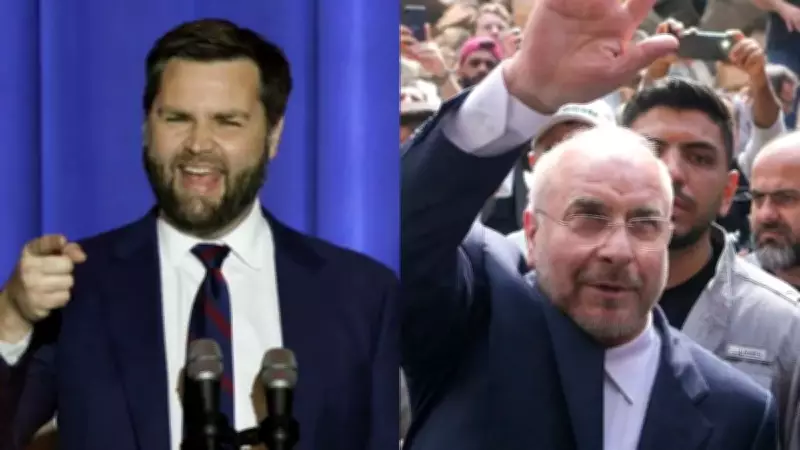
Key Outcomes of the US-Iran Talks in Switzerland
The recent round of US-Iran talks held in Switzerland centered on three critical issues: freedom of navigation in the Strait of Hormuz, a ceasefire in Lebanon, and Iran's nuclear program. According to diplomatic sources, the discussions marked a significant step toward de-escalating tensions between the two longtime adversaries. Both delegations described the atmosphere as "constructive," with a joint statement released afterward indicating progress on several fronts.
Strait of Hormuz: Security and Freedom of Navigation
A major topic was the security of the Strait of Hormuz, a vital waterway for global oil shipments. Iran has previously threatened to disrupt shipping in retaliation for sanctions. During the talks, the US side reiterated its demand for unimpeded passage, while Iran sought guarantees that its oil exports would not be blocked. A senior US official stated, "We made it clear that any interference with commercial shipping is unacceptable." Iran's chief negotiator countered that their concerns about economic warfare must be addressed. No final agreement was reached, but both sides agreed to continue technical-level discussions on maritime security protocols.
Lebanon Ceasefire and Regional Stability
The second pillar of the talks involved the situation in Lebanon, where a fragile ceasefire between Hezbollah and Israel has been under strain. The US pressed Iran to use its influence over Hezbollah to prevent further escalations. According to a Lebanese diplomatic source familiar with the discussions, "Iran signaled willingness to support a longer-term truce, provided that Israel halts alleged violations of Lebanese airspace." The talks reportedly included back-channel communications with Lebanese officials. While no concrete timeline was set, both parties agreed on the need to prevent a wider regional conflict.

Nuclear Program: Verification and Sanctions Relief
The nuclear issue remains the most contentious. Iran's advancing uranium enrichment capabilities—now at 60% purity, close to weapons-grade—were a key US concern. The American team proposed a new verification regime involving surprise inspections by the International Atomic Energy Agency (IAEA). In exchange, the US offered partial sanctions relief, including unfreezing $6 billion in Iranian assets held abroad. Iran's negotiator countered, "We need full normalization of banking relations before any rollback of nuclear activities." The talks ended with an agreement to hold another round within two months, with technical working groups to meet sooner.
Impact and Next Steps
The talks in Switzerland are part of a broader diplomatic effort involving Oman and Qatar as intermediaries. Analysts view the meeting as a positive sign, though major gaps remain. "The fact they are talking is good, but the devil is in the details," said Dr. Farid Zadeh, a Middle East expert at the University of Geneva. Oil markets reacted mildly, with Brent crude dropping 1.2% on hopes of reduced tensions. The next round is expected to address the sequencing of sanctions relief and nuclear commitments.