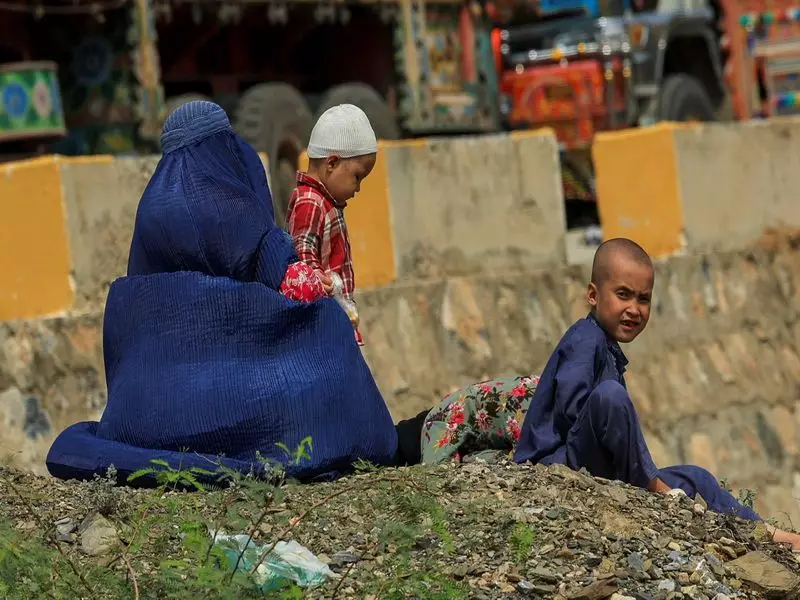
A recent report from the United Nations refugee agency has shed light on the precarious situation of Afghan nationals in Pakistan. Despite a large-scale government-led deportation campaign, the country continues to host a massive refugee population from its western neighbour.
Key Findings of the UNHCR Report
The report, released by the United Nations High Commissioner for Refugees (UNHCR), presents a stark picture. It states that nearly 1.8 million Afghan refugees are still living in Pakistan. This figure is significant, especially considering the context of the ongoing repatriation efforts initiated by Islamabad.
According to the data, the total number of Afghan refugees registered with the UNHCR in Pakistan stands at approximately 1.3 million. However, the agency estimates that an additional 500,000 Afghans are in the country with other forms of status or documentation. This brings the cumulative estimate close to the two-million mark, highlighting the scale of the displacement.

The Context of Pakistan's Deportation Drive
This UNHCR assessment comes against the backdrop of a major policy shift by the Pakistani government. In late 2023, authorities announced a crackdown on undocumented migrants, setting a deadline for their voluntary departure. When that deadline passed, a campaign of arrests and forced deportations began.
The government's stance has been that the move is necessary for national security and economic stability. Officials have consistently stated that the deportation drive targets all individuals residing in Pakistan without valid legal documents, regardless of nationality. However, given the demographics, the policy has overwhelmingly affected Afghan nationals, who form the largest group of undocumented foreigners in the country.
Despite these enforcement actions, the UNHCR report underscores that a vast number of Afghans remain. This includes both long-term refugees who have been in Pakistan for decades and more recent arrivals who fled after the Taliban's takeover of Afghanistan in August 2021.
Humanitarian Concerns and International Response
The situation has raised serious humanitarian concerns. International organizations, including the UNHCR and the International Organization for Migration (IOM), have repeatedly called for the protection of vulnerable refugees. They argue that many of those facing deportation are at severe risk if returned to Afghanistan, citing the country's dire human rights situation and collapsing economy.
The UNHCR report implicitly reinforces these concerns by detailing the continued presence of such a large population. It points to the ongoing need for international support and a coordinated approach to what remains one of the world's most protracted refugee crises.
The implications are regional. Pakistan has borne the brunt of hosting Afghan refugees for over four decades. The report's findings suggest that even with assertive domestic policies, the challenge is immense and not easily resolved through deportation alone. It calls attention to the need for sustainable solutions, including continued international aid for host communities and support for voluntary, safe, and dignified repatriation when conditions in Afghanistan allow.
For India, a key regional player, the stability of its western frontier is of paramount importance. A humanitarian crisis or further instability in Afghanistan and Pakistan has direct consequences for regional security. The large number of refugees, as confirmed by the UN, indicates a lingering crisis that requires diplomatic engagement and humanitarian cooperation from all neighbouring states.
In conclusion, the UNHCR report acts as a crucial data point in a highly charged political environment. It confirms that Pakistan's deportation drive, while significant, has not emptied the country of Afghan refugees. Nearly two million people remain caught between a homeland many fear to return to and a host nation increasingly insistent on their departure. The path forward demands a delicate balance between sovereign policy and unwavering commitment to international refugee law and human rights.