

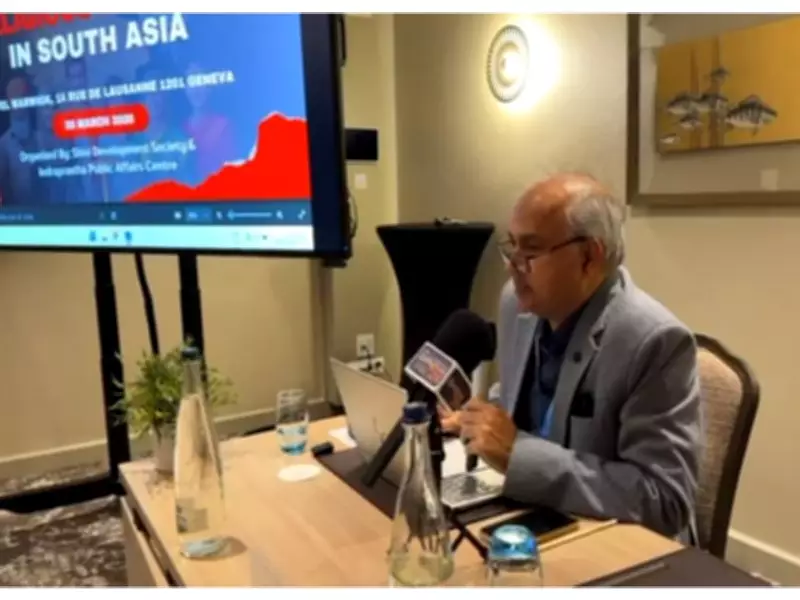
Activists Spotlight Religious Freedom Violations Across South Asia at UNHRC Session
In a significant development at the United Nations Human Rights Council (UNHRC) session held in Geneva, human rights activists from various organizations raised urgent concerns regarding the deteriorating state of religious freedom across South Asia. The session, which convened international stakeholders, served as a platform to highlight systematic violations and advocate for robust protective measures.
Escalating Concerns in the Region
Activists presented detailed reports indicating a troubling rise in incidents targeting religious minorities in several South Asian countries. These violations include discriminatory laws, violent attacks, and social ostracization, which collectively undermine fundamental human rights. The discussions emphasized that such trends not only threaten individual freedoms but also destabilize regional peace and security.
Calls for International Intervention
During the session, speakers called upon the UNHRC and global community to take immediate action. They urged for enhanced monitoring mechanisms, diplomatic pressure on offending governments, and support for local civil society groups working to protect religious minorities. The activists stressed that without concerted international efforts, the situation could escalate further, leading to humanitarian crises.

Specific Country Cases Highlighted
The activists provided case studies from multiple South Asian nations, illustrating patterns of persecution against various religious groups. These accounts revealed common themes of state complicity, inadequate legal protections, and impunity for perpetrators. The session underscored the need for country-specific strategies to address these complex issues effectively.
Recommendations for Future Action
To combat these violations, activists proposed several recommendations, including:
- Establishing independent international commissions to investigate allegations of religious persecution.
- Promoting interfaith dialogues and educational initiatives to foster tolerance.
- Encouraging South Asian governments to reform discriminatory legislation and ensure judicial accountability.
The UNHRC session concluded with a commitment from some member states to prioritize religious freedom in their foreign policies, though activists noted that tangible outcomes will depend on sustained advocacy and implementation.

