

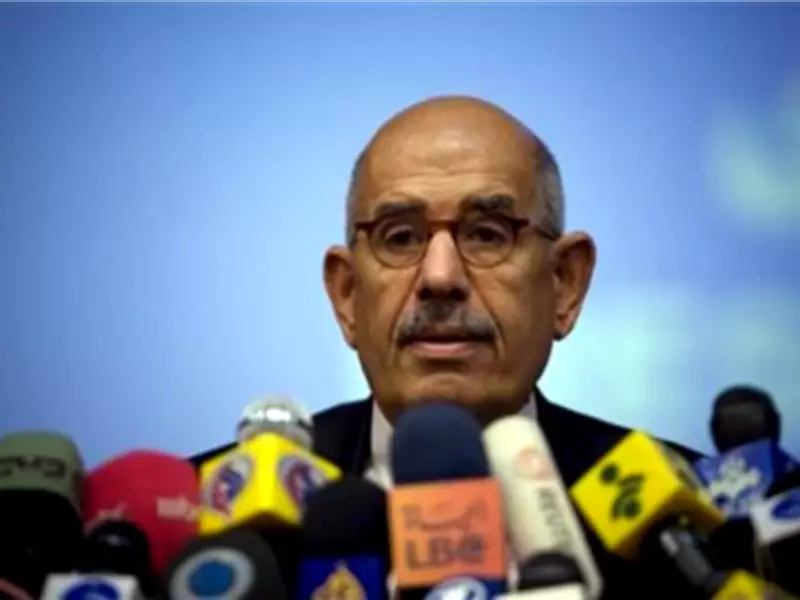
Former IAEA Director General Issues Urgent Plea to United Nations
In a dramatic development, Yukiya Amano, the former Director General of the International Atomic Energy Agency (IAEA), has made a fervent appeal to the United Nations, urging immediate action to de-escalate tensions in the Gulf region. This call comes directly in response to a recent 48-hour ultimatum issued by former U.S. President Donald Trump against Iran, which has sparked fears of a rapid deterioration in the already volatile situation.
Amano's Stern Warning: "Stop This Madness"
Speaking with palpable urgency, Amano emphasized the critical need for diplomatic intervention. He starkly warned that failure to act could lead to catastrophic outcomes, potentially triggering a wider regional conflict. His message, "Stop this madness," underscores the gravity of the moment and the pressing requirement for cool-headed international diplomacy to prevail over aggressive posturing.
Context: Trump's Ultimatum and Rising Gulf Tensions
The backdrop to this appeal is a series of escalating actions and statements. Former President Trump's ultimatum, delivered via social media and public statements, demanded that Iran cease all nuclear enrichment activities and withdraw support from proxy militias within a strict 48-hour window. This move has been interpreted by many analysts as a significant provocation, threatening to undo years of delicate diplomatic efforts, including the Joint Comprehensive Plan of Action (JCPOA).

Regional Implications: The Gulf region, a strategic corridor for global energy supplies, has been a flashpoint for international tensions for decades. Recent months have seen:
- Increased military deployments by various powers.
- A series of confrontational naval incidents.
- Ongoing disputes over Iran's nuclear program and regional influence.
The Role of the United Nations and International Response
Amano's call specifically targets the United Nations Security Council, urging it to convene an emergency session. He advocates for:
- Immediate dialogue facilitation between all involved parties.
- The reinforcement of multilateral frameworks to address nuclear non-proliferation.
- A clear, unified international stance to prevent unilateral actions that could spiral into conflict.
Global reactions have been mixed. Some European allies have expressed support for renewed diplomacy, while others in the region view the ultimatum as a necessary pressure tactic. The IAEA, under Amano's leadership from 2009 to 2019, was instrumental in monitoring Iran's compliance with nuclear agreements, lending his voice considerable weight in this debate.
Potential Consequences and the Path Forward
Experts warn that ignoring this plea could have severe repercussions:
- Economic Disruption: Any military conflict could disrupt oil shipments, impacting global markets.
- Humanitarian Crisis: Escalation risks significant civilian casualties and displacement.
- Nuclear Proliferation Risks: A breakdown in agreements might encourage nuclear ambitions in the region.
The coming days are critical. The international community faces a stark choice: heed Amano's warning and pursue diplomatic channels, or risk a descent into a conflict with unpredictable and potentially devastating consequences for global stability.

