

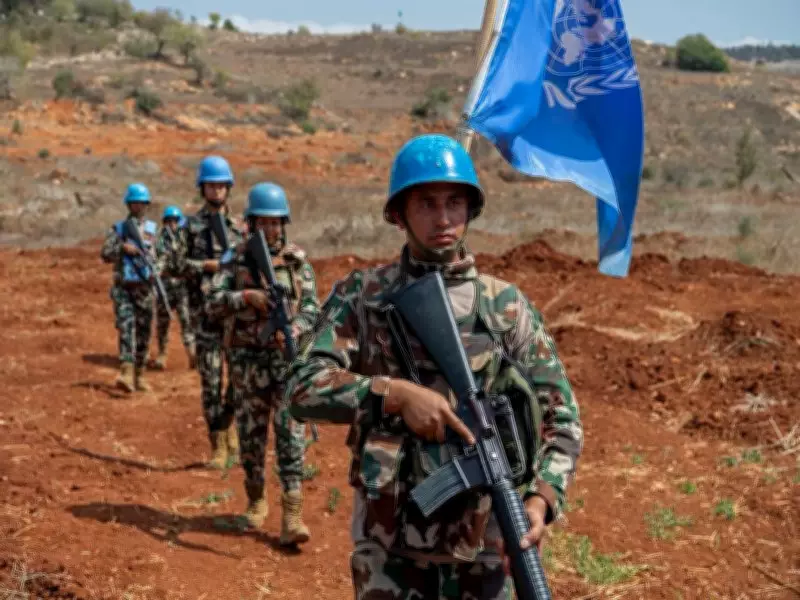
France Urges UN Security Council Emergency Meeting After Deadly Attacks on Peacekeepers in Lebanon
In a significant diplomatic move, France has called for an immediate emergency session of the United Nations Security Council (UNSC) following a series of attacks in Lebanon that have tragically claimed the lives of peacekeepers from the United Nations Interim Force in Lebanon (UNIFIL). This development underscores the escalating volatility in the region and the urgent need for international intervention to prevent further bloodshed.
Details of the Attacks and Casualties
The attacks, which occurred in southern Lebanon, targeted UNIFIL personnel who are deployed to maintain peace and stability along the border with Israel. Preliminary reports indicate that multiple peacekeepers were killed, though exact numbers and nationalities have not been officially confirmed due to the ongoing investigation. UNIFIL, established in 1978, has long played a crucial role in monitoring ceasefires and facilitating humanitarian efforts in the area, making this incident a severe blow to international peacekeeping operations.
French officials have expressed grave concern over the violence, emphasizing that such attacks on UN personnel are unacceptable and constitute a violation of international law. The call for an emergency UNSC meeting aims to address the security threats in Lebanon and coordinate a robust response to ensure the safety of peacekeepers and civilians alike.

Regional Implications and Diplomatic Responses
This incident occurs against a backdrop of heightened tensions in the Middle East, with ongoing conflicts and political instability affecting several countries. The attacks on UNIFIL peacekeepers could exacerbate existing disputes and hinder efforts to de-escalate regional conflicts. France, as a permanent member of the UNSC and a key player in Middle Eastern diplomacy, is leveraging its position to mobilize international support for enhanced security measures in Lebanon.
Other nations and international organizations are expected to join France in condemning the attacks, with calls for a thorough investigation to hold the perpetrators accountable. The emergency UNSC meeting will likely focus on:
- Assessing the current security situation in Lebanon
- Developing strategies to protect UN personnel and civilians
- Exploring diplomatic avenues to reduce regional tensions
Historical Context and UNIFIL's Role
UNIFIL has been operational in Lebanon for decades, primarily tasked with overseeing the withdrawal of Israeli forces and assisting the Lebanese government in restoring its authority. Over the years, the force has faced numerous challenges, including sporadic violence and political obstacles. The recent attacks highlight the persistent dangers faced by peacekeepers in conflict zones and the need for renewed international commitment to their safety.
France's proactive stance in calling for an emergency meeting reflects its historical involvement in Lebanese affairs and its broader foreign policy objectives in the Middle East. By pushing for immediate UNSC action, France aims to reinforce the legitimacy of UN peacekeeping missions and deter future attacks on international personnel.
Looking Ahead: Potential Outcomes and Challenges
The emergency UNSC meeting could lead to several outcomes, such as the adoption of a resolution condemning the attacks, the deployment of additional security resources to Lebanon, or the initiation of peace talks involving regional stakeholders. However, challenges remain, including potential vetoes from other permanent members and the complex geopolitical dynamics of the Middle East.
In conclusion, France's call for an emergency UNSC session after the deadly attacks on UNIFIL peacekeepers in Lebanon marks a critical moment in international diplomacy. It underscores the urgency of addressing security threats in the region and reaffirms the global community's responsibility to protect those who serve under the UN flag. As the situation unfolds, the world will be watching closely to see how the Security Council responds to this tragic event and what steps are taken to prevent similar incidents in the future.

