

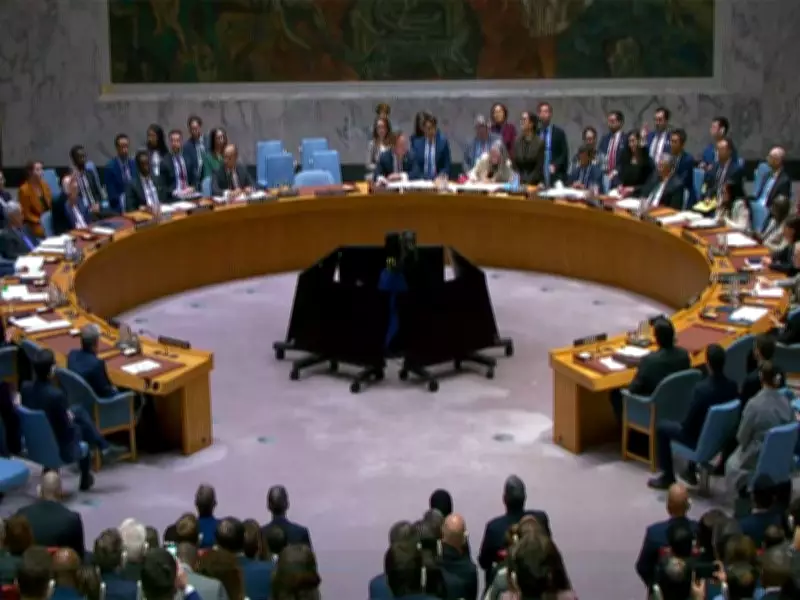
India Votes with Global Majority to Condemn Iran's Aggression at UN
In a significant diplomatic move, India has aligned itself with a vast international coalition by voting in favor of a United Nations Security Council resolution that strongly condemns Iran's recent attacks on its regional neighbors. This decision places India among nearly 135 nations that have collectively denounced what the resolution describes as "egregious" acts of aggression by Iran, highlighting a unified global stance against destabilizing actions in the region.
Details of the UN Security Council Resolution
The resolution, adopted by the UN Security Council, explicitly criticizes Iran for launching attacks that have targeted neighboring countries, raising serious concerns about regional security and stability. It calls for an immediate cessation of such hostilities and urges Iran to adhere to international laws and norms. The broad support for this measure reflects widespread international alarm over the escalation of tensions and the potential for broader conflict.
India's Diplomatic Position and Implications
India's vote in favor of the resolution underscores its commitment to promoting peace and security on the global stage. As a key player in international affairs, India's alignment with the majority of nations sends a clear message about its stance against unilateral aggression and its support for multilateral diplomacy through institutions like the United Nations. This move is consistent with India's broader foreign policy objectives, which emphasize respect for sovereignty and territorial integrity.

Key aspects of India's involvement include:
- Active participation in UN Security Council deliberations on regional conflicts.
- Support for resolutions that aim to de-escalate tensions and foster dialogue.
- Emphasis on the importance of international cooperation in addressing security challenges.
Global Reaction and Regional Context
The resolution has garnered support from a diverse array of countries, including major powers and regional actors, indicating a consensus on the need to address Iran's actions. This collective response is seen as a critical step in maintaining international order and preventing further violence. The attacks by Iran have been linked to ongoing geopolitical rivalries and conflicts in the Middle East, making this UN action a pivotal moment in efforts to manage regional disputes.
Experts note that such resolutions, while symbolic, can exert diplomatic pressure and shape future negotiations. India's vote, in particular, is viewed as balancing its strategic interests with its principles of non-interference and peacekeeping.
Looking Ahead: Implications for India-Iran Relations
While India has historically maintained cordial relations with Iran, especially in areas like energy and trade, this vote may introduce complexities in bilateral ties. However, it also reaffirms India's independent foreign policy, which prioritizes global stability over narrow alliances. The resolution is expected to influence ongoing diplomatic engagements and could lead to renewed calls for Iran to engage in constructive dialogue with its neighbors.
In summary, India's support for the UN Security Council resolution condemning Iran's attacks demonstrates its active role in international diplomacy and its dedication to upholding peace. As the situation evolves, India's actions will continue to be closely watched by the global community.

