

India Reaffirms Commitment to Free Navigation Ahead of UNSC Vote on Hormuz
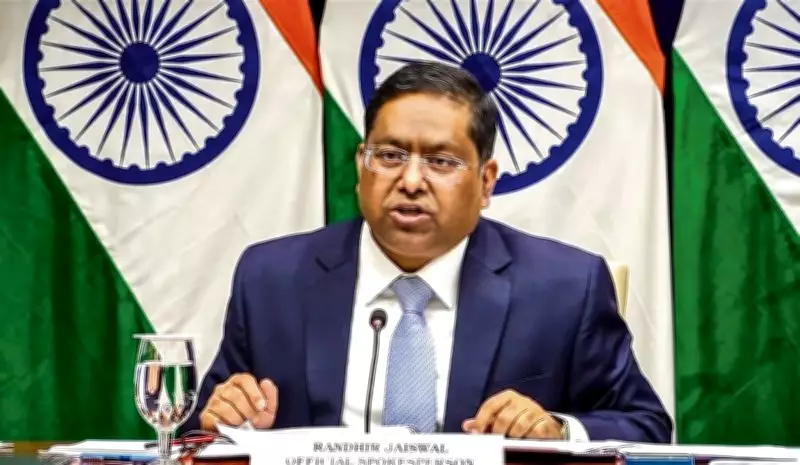
As the United Nations Security Council (UNSC) prepares for a pivotal vote on a resolution concerning the Strait of Hormuz, India has issued a strong statement backing the principle of free navigation. This development comes amid escalating regional tensions that threaten global maritime security and trade routes.
India's Stance on Maritime Freedom
In an official declaration, India emphasized its unwavering support for the freedom of navigation in international waters, particularly in the strategically vital Strait of Hormuz. This narrow waterway, located between the Persian Gulf and the Gulf of Oman, is a critical chokepoint for global oil shipments, with approximately one-fifth of the world's petroleum passing through it daily.
India's position aligns with its longstanding advocacy for peaceful resolution of disputes and adherence to international law, including the United Nations Convention on the Law of the Sea (UNCLOS). The country has highlighted that any disruption to navigation in the Strait of Hormuz could have severe repercussions for global energy supplies and economic stability.

UNSC Resolution and Global Implications
The upcoming UNSC vote centers on a resolution aimed at addressing recent incidents and tensions in the Strait of Hormuz region. While specific details of the resolution have not been fully disclosed, it is expected to call for de-escalation measures and reaffirm the importance of unimpeded maritime transit.
India's backing of this resolution underscores its role as a responsible global actor committed to maintaining international peace and security. The country has consistently advocated for dialogue and diplomacy to resolve conflicts, rather than unilateral actions that could exacerbate tensions.
Regional Context and Security Concerns
The Strait of Hormuz has been a flashpoint in recent years, with multiple incidents involving tanker seizures, attacks on vessels, and heightened military presence. These events have raised alarms among the international community about the potential for broader conflict that could disrupt global trade.
- India, as a major importer of oil from the Middle East, has a direct stake in ensuring the security of this maritime route.
- The country's energy security is closely tied to stable transit through the Strait of Hormuz, making its support for free navigation both a strategic and economic imperative.
- Additionally, India's growing naval capabilities and regional partnerships position it as a key player in promoting maritime security in the Indian Ocean and adjacent waters.
Diplomatic Efforts and Future Outlook
India's statement comes as part of broader diplomatic efforts to engage with all stakeholders in the region. The country has maintained balanced relations with various Middle Eastern nations, allowing it to play a constructive role in fostering stability.
As the UNSC vote approaches, India's endorsement of the resolution is likely to influence other member states and shape the outcome of the deliberations. The international community will be closely watching the vote, which could set a precedent for how similar maritime disputes are addressed in the future.
In conclusion, India's firm support for free navigation in the Strait of Hormuz ahead of the UNSC vote highlights its commitment to global norms and economic interdependence. This stance not only safeguards its national interests but also contributes to the collective security of international maritime corridors.

