

Iran Issues Stark Warning to United Nations Over Potential U.S. Military Action
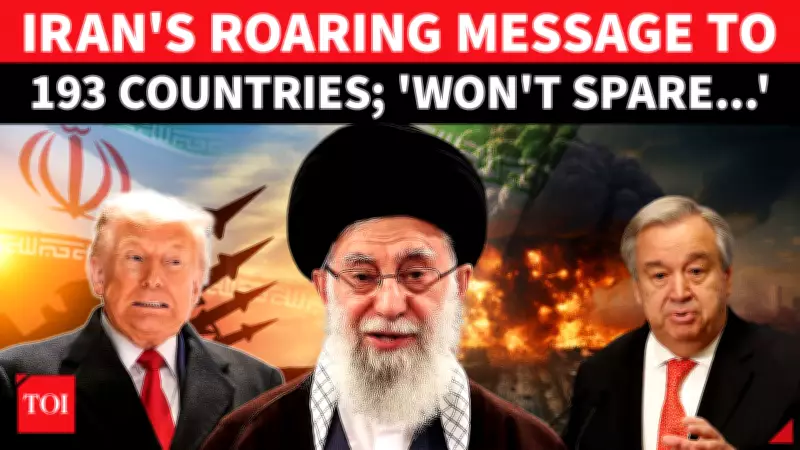
Tensions between the United States and Iran have escalated dramatically following a formal warning from Tehran to the United Nations. In a letter addressed to UN Secretary-General António Guterres, Iran declared it would respond decisively to any potential American military strike, marking a significant deterioration in diplomatic relations.
Formal Communication to UN Secretary-General
Iran's permanent mission to the United Nations delivered a strongly worded letter cautioning that any U.S. military misadventure would not go unanswered. The communication emphasized that while Iran does not seek war, it perceives rhetoric from U.S. President Donald Trump as signaling a real risk of military aggression against the Islamic Republic.
The letter explicitly states that if attacked, Iran would consider all bases, facilities, and assets of what it terms the hostile force in the region as legitimate targets for retaliation. This warning represents one of the most direct threats issued by Tehran in recent diplomatic exchanges.

Context of Trump's Military Posturing
The Iranian warning comes directly in response to President Trump's recent social media post suggesting potential military action. Trump indicated that if Iran refuses to make a deal, the United States might utilize strategic military assets including the Diego Garcia base and RAF Fairford airfield to counter perceived threats from Tehran.
This exchange occurs as diplomatic efforts between the two nations hang in the balance, with neither side showing signs of backing down from their respective positions. The situation has created growing international concern about the potential for military confrontation in an already volatile region.
Regional Military Demonstrations
Amid these escalating tensions, Iran has conducted joint naval drills with Russia in strategic waterways including the Gulf of Oman and the Indian Ocean. These military exercises serve as a clear show of force and strategic partnership, demonstrating Tehran's preparedness and alliances as fears grow that war drums in the Middle East are growing louder.
The timing of these drills, coinciding with the diplomatic warning to the United Nations, underscores Iran's message that it possesses both the capability and willingness to defend itself against potential aggression. This multifaceted approach combines diplomatic communication with military readiness demonstrations.
Broader Implications for Regional Stability
The exchange between Iran and the United States through United Nations channels represents a critical juncture in Middle East geopolitics. With both nations positioning military assets and issuing stark warnings, the international community watches closely as diplomacy teeters on the edge of potential conflict.
The situation highlights the complex web of alliances and tensions in the region, where military posturing and diplomatic communications increasingly intersect. As Iran makes its position clear to the global community through formal UN channels, the world awaits the next developments in this high-stakes geopolitical standoff.

