

Leaving No One Behind: The SDGs Roadmap to a Brighter Tomorrow
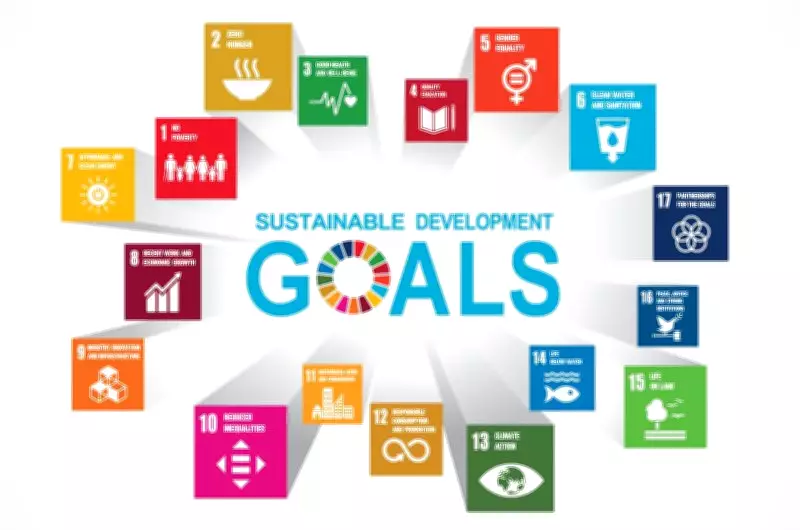
The Sustainable Development Goals (SDGs), established by the United Nations, serve as a critical global framework aimed at addressing pressing challenges and fostering sustainable development worldwide. This comprehensive roadmap outlines 17 interconnected goals designed to tackle issues such as poverty, inequality, climate change, and peace, with a core principle of ensuring that no individual or community is marginalized in the pursuit of progress.
The Core Principles of the SDGs
At the heart of the SDGs lies a commitment to inclusivity and equity, which are essential for achieving meaningful and lasting change. The goals emphasize a holistic approach that integrates economic, social, and environmental dimensions, recognizing that sustainable development cannot be achieved without addressing the needs of all people, especially the most vulnerable populations.
- Inclusivity: The SDGs prioritize the inclusion of marginalized groups, including women, children, persons with disabilities, and indigenous communities, in development efforts.
- Equity: By promoting fair access to resources and opportunities, the goals aim to reduce disparities and ensure that benefits of development are shared equitably across societies.
- Sustainability: The framework advocates for practices that protect the environment and promote resilience, ensuring that future generations can thrive.
Key Goals and Their Impact
The SDGs encompass a wide range of objectives, each targeting specific areas critical to global well-being. For instance, Goal 1 focuses on eradicating poverty in all its forms, while Goal 5 aims to achieve gender equality and empower all women and girls. These goals are not isolated; they are interconnected, meaning progress in one area often supports advancements in others, creating a synergistic effect that amplifies overall impact.

- No Poverty: Ensuring all people have access to basic necessities and economic opportunities.
- Quality Education: Promoting inclusive and equitable education for lifelong learning.
- Climate Action: Taking urgent steps to combat climate change and its impacts.
- Peace and Justice: Building peaceful, just, and inclusive societies with strong institutions.
By addressing these areas, the SDGs provide a structured pathway toward a more prosperous and sustainable world, where every individual has the chance to contribute to and benefit from global development.
Challenges and the Way Forward
Despite the ambitious vision of the SDGs, significant challenges remain in their implementation. Issues such as funding gaps, political will, and coordination among stakeholders can hinder progress. However, by fostering partnerships between governments, private sector entities, and civil society, and by leveraging innovative solutions, it is possible to overcome these obstacles and accelerate action toward the goals.
The roadmap to a brighter tomorrow requires collective effort and unwavering commitment. As nations and communities work together to translate the SDGs into tangible outcomes, the promise of leaving no one behind becomes increasingly attainable, paving the way for a future marked by equity, sustainability, and shared prosperity for all.

