

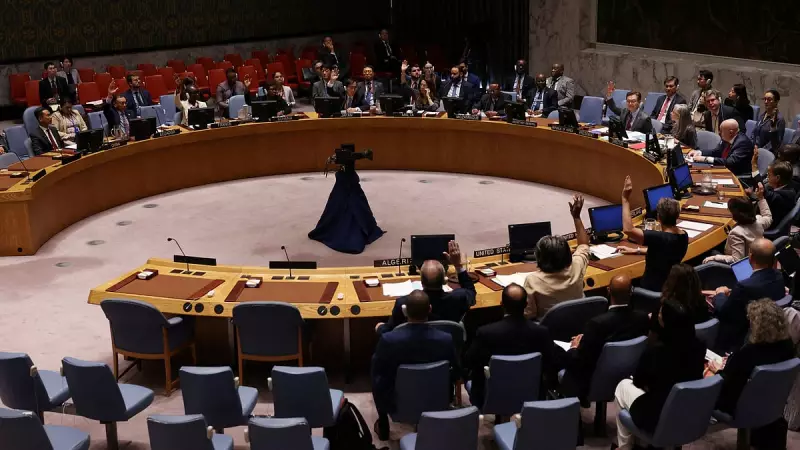
UN Human Rights Council Convenes Emergency Session Over Iran Protest Crackdown
The United Nations Human Rights Council has held an emergency session to address the violent crackdown on protests in Iran, marking a significant international response to the escalating human rights crisis in the country. This urgent gathering underscores global concerns over the severe measures taken by Iranian authorities against demonstrators and civilians alike.
Rights Groups Report Thousands Killed in Unrest
According to various human rights organizations, the unrest in Iran has resulted in the deaths of thousands of individuals, including numerous bystanders who were not directly involved in the protests. These reports highlight the widespread and indiscriminate nature of the violence, which has drawn condemnation from international observers and advocacy groups worldwide.
The protests, which erupted across Iran, represent the most substantial challenge to the country's clerical government since the events of 2022. This period of turmoil has seen citizens voicing dissent over political, social, and economic issues, leading to a harsh response from security forces.

International Scrutiny and Diplomatic Implications
The emergency session by the UN Human Rights Council reflects growing international pressure on Iran to adhere to human rights standards and cease the use of excessive force against its population. Diplomats and human rights experts have emphasized the need for accountability and transparency in addressing the casualties and injuries reported during the crackdown.
This development comes amid ongoing debates within the global community about how to effectively respond to such crises, with calls for independent investigations and potential sanctions being discussed. The session aims to foster dialogue and action to prevent further loss of life and uphold fundamental freedoms in Iran.
Background and Context of the Protests
The recent wave of protests in Iran has been fueled by a combination of factors, including economic hardships, political repression, and social discontent. The government's response has been characterized by a heavy-handed approach, involving security forces in suppressing demonstrations, which has exacerbated tensions and led to increased casualties.
Human rights monitors have documented instances of arbitrary arrests, torture, and extrajudicial killings, raising alarms about the deteriorating human rights situation in the country. The emergency session serves as a platform to amplify these concerns and mobilize international support for protective measures.
Looking Ahead: Potential Outcomes and Challenges
As the UN Human Rights Council deliberates on this issue, potential outcomes may include resolutions calling for investigations, humanitarian access, or diplomatic interventions. However, challenges remain, such as geopolitical considerations and Iran's resistance to external scrutiny, which could hinder progress.
The international community continues to monitor the situation closely, with hopes that the emergency session will lead to concrete steps towards justice and reform in Iran. The focus remains on ensuring the protection of civilians and promoting a peaceful resolution to the ongoing unrest.

