

UNGA President's Frantic Late-Night Diplomacy Meets Chilling Silence From World Leaders
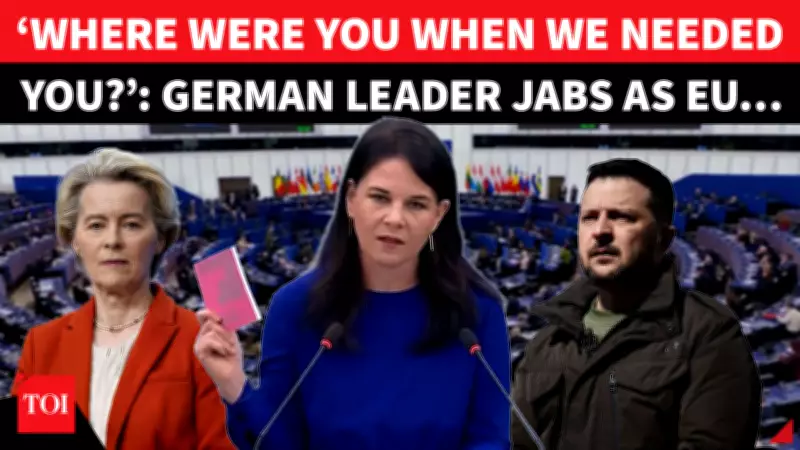
In a stunning revelation that has sent shockwaves through diplomatic circles, UN General Assembly President Annalena Baerbock has exposed the chaotic reality of contemporary global diplomacy. Addressing EU lawmakers in Strasbourg, Baerbock detailed her desperate, late-night attempts to rally international support for Ukraine and the principles enshrined in the UN Charter.
The Frantic Calls That Echoed Into The Night
Baerbock recounted making urgent, after-hours appeals to numerous nations across the globe, passionately urging them to stand firm in defense of Ukraine and the foundational principles of international law. These were not routine diplomatic exchanges but desperate pleas made as the world watched a sovereign nation struggle for survival. The UNGA President's narrative painted a picture of a diplomatic corps working against the clock, trying to build consensus in a fractured international landscape.
A Response That Stopped Diplomats Cold
The most shocking aspect of Baerbock's testimony was the response she received from some nations. Rather than expressions of solidarity or commitments to action, several countries responded with pointed, cold questions about Europe's own historical record. They bluntly asked, "Where was Europe when we faced our own crises?" This retort highlighted deep-seated grievances and a perceived hypocrisy that continues to undermine collective international action.

Global Pressure Mounts On European Leadership
Baerbock delivered a clear warning to European lawmakers: The world is once again looking to Europe for leadership. She explicitly connected this urgent call to regions including Greenland, Latin America, and Africa, suggesting that expectations for European action have global dimensions. The UN is placing unprecedented pressure on European institutions, with Baerbock emphasizing that the stakes have never been higher for demonstrating consistent, principled leadership on the world stage.
The Implications For Future Diplomacy
This revelation exposes several critical challenges facing international diplomacy:
- Credibility Crisis: Europe's past inaction during other global crises has damaged its moral authority.
- Diplomatic Fatigue: The late-night nature of the appeals suggests a system operating at its limits.
- Global Skepticism: Many nations remain unconvinced that European leadership will be consistent or equitable.
- Urgent Need For Reform: The UN's reliance on frantic, last-minute diplomacy highlights systemic weaknesses.
Baerbock's testimony serves as both a dramatic exposé and a sobering assessment of the current state of international relations. It reveals a world where appeals to principle are met with reminders of past failures, and where the machinery of global diplomacy is straining under the weight of multiple, simultaneous crises. The silence that greeted her pleas may echo far beyond the corridors of power in Strasbourg, signaling a profound shift in how nations perceive their international obligations and alliances.

