

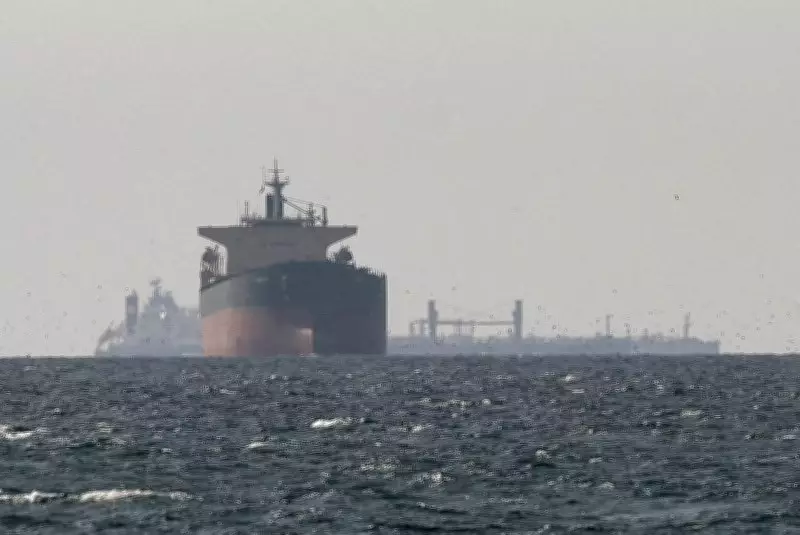
US Military Deploys 10,000 Troops to Enforce Blockade on Iranian Ports
In a major escalation of military operations, the United States has mobilized 10,000 soldiers to enforce a comprehensive naval blockade targeting Iranian ports. This strategic move, aimed at curbing Iran's maritime activities, marks a significant increase in tensions within the volatile Persian Gulf region. The deployment underscores Washington's firm stance on regional security concerns and its commitment to restricting Iran's influence through direct military intervention.
Details of the Naval Blockade Operation
The blockade involves a coordinated effort by US naval and ground forces to monitor and control access to key Iranian ports, including those in the Strait of Hormuz. This critical waterway is a vital chokepoint for global oil shipments, making the operation highly consequential for international trade and energy markets. The 10,000-strong contingent is tasked with enforcing strict maritime restrictions, which include inspecting vessels and preventing unauthorized entries or exits from Iranian territorial waters.
Military analysts note that this deployment represents one of the largest US troop movements in the area in recent years, signaling a potential shift towards more assertive tactics in dealing with Iran. The operation is supported by advanced surveillance systems and naval assets, ensuring a robust enforcement capability that could lead to heightened confrontations if Iranian forces attempt to challenge the blockade.

Implications for Regional and Global Stability
The enforcement of this blockade has far-reaching implications, not only for US-Iran relations but also for global geopolitical dynamics. Regional allies and adversaries are closely monitoring the situation, as any miscalculation could spark broader conflicts in the Middle East. The move is likely to exacerbate existing tensions, with Iran expected to respond through diplomatic protests or military countermeasures, such as increased naval patrols or cyberattacks.
From an economic perspective, the blockade threatens to disrupt oil flows through the Persian Gulf, potentially leading to volatility in global oil prices. This could impact economies worldwide, especially those dependent on stable energy supplies. Additionally, the humanitarian aspect cannot be ignored, as restrictions on port access may affect the delivery of essential goods to Iranian civilians, raising concerns about potential shortages and increased suffering.
Background and Strategic Objectives
This military action follows a series of escalating incidents between the US and Iran, including previous naval skirmishes and sanctions. The US government has cited national security interests and the need to prevent Iran from advancing its military capabilities as primary justifications for the blockade. Key objectives include:
- Limiting Iran's ability to import military hardware and dual-use technologies.
- Disrupting suspected illicit activities, such as arms smuggling or oil exports in violation of sanctions.
- Sending a strong deterrent message to Iran and its proxies in the region.
As the situation unfolds, international observers are calling for diplomatic efforts to de-escalate tensions, warning that prolonged military standoffs could have unpredictable consequences. The deployment of 10,000 US soldiers to enforce this blockade highlights the high stakes involved and the potential for rapid changes in the regional security landscape.

