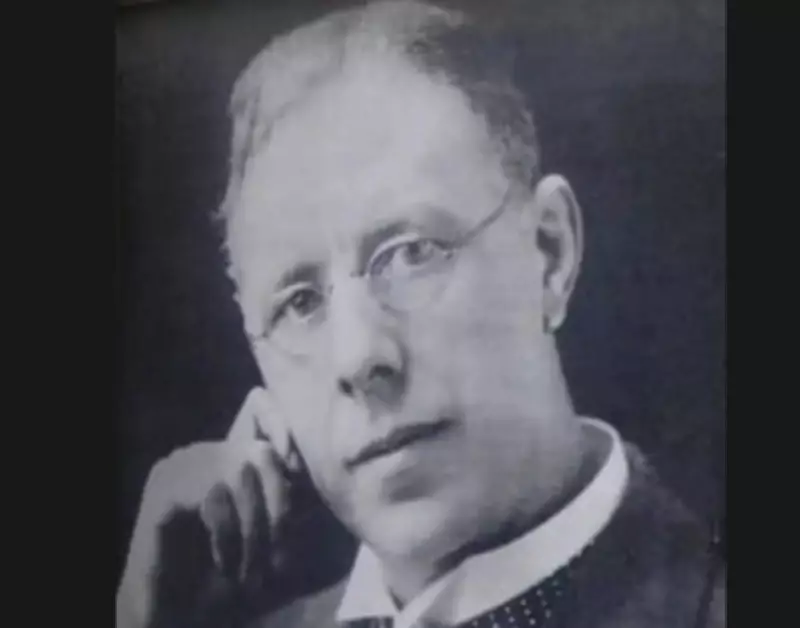
In 1913, a serendipitous discovery in a Sheffield laboratory changed the world forever. Harry Brearley, a British metallurgist, was attempting to develop a new type of steel for rifle barrels that could withstand high temperatures and erosion. Instead, he stumbled upon a metal that resisted rust and staining—stainless steel.
The Experiment That Changed Metallurgy
Brearley was working for the Brown Firth Research Laboratory in Sheffield, England, a city renowned for its steel industry. His task was to find a solution to the problem of rifle barrels eroding quickly due to the heat and friction of firing. He experimented with adding chromium to steel, hoping to create a harder, more durable alloy. However, the results were not what he expected. The new alloy was too soft for gun barrels, but Brearley noticed something peculiar: it did not rust.
He discarded the samples in a pile of scrap metal, only to discover weeks later that while the other metals had corroded, his chromium-steel alloy remained shiny and untarnished. This observation led to the birth of stainless steel.

The First Stainless Steel
Brearley's invention was a 12.8% chromium, 0.24% carbon steel alloy. He realized its potential for cutlery, as it would not stain or rust like traditional silverware. Initially, manufacturers were skeptical, but Brearley persisted. He produced the first stainless steel knives, which he called 'rustless steel,' and later patented the process.
The name 'stainless steel' was coined by a local cutlery manufacturer, Ernest Stuart, who found that the metal resisted staining from fruit acids. The first commercial production began in 1914, and by the 1920s, stainless steel was being used in a wide range of applications, from kitchen utensils to surgical instruments.
Impact and Legacy
Today, stainless steel is ubiquitous. It is used in everything from skyscrapers and bridges to medical implants and kitchen appliances. Its corrosion resistance, strength, and aesthetic appeal make it indispensable in modern life. Brearley's accidental discovery not only revolutionized the steel industry but also paved the way for countless innovations in engineering, medicine, and design.
Harry Brearley died in 1948, but his legacy endures. The city of Sheffield honors him with a blue plaque at the site of his laboratory, and his story remains a classic example of scientific serendipity—a happy accident that changed the world.