An Afghan refugee residing in the United States has entered a plea of not guilty following a shocking incident where two members of the US National Guard were shot. The event, which unfolded at a hotel in Seattle, has ignited serious discussions about security protocols and the vetting of individuals granted refuge.
The Seattle Shooting Incident
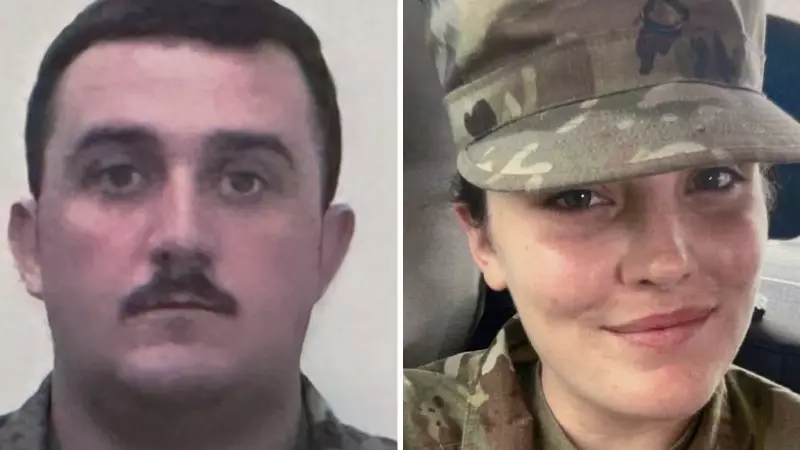
The accused, identified as Rahmanullah Lakanwal, is alleged to have opened fire on two soldiers from the Massachusetts National Guard. This serious event occurred on a Monday at a hotel located in the SeaTac area of Seattle. According to court documents and official statements, Lakanwal reportedly used a handgun to shoot the service members.
Following the shooting, Lakanwal was swiftly apprehended by law enforcement authorities. He now faces serious criminal charges for his alleged actions. The two injured National Guard members were promptly provided with medical attention. While their current condition has not been extensively detailed in all reports, the incident underscores the potential dangers faced by military personnel even in non-combat settings.

Legal Proceedings and Plea
During a recent court appearance, Rahmanullah Lakanwal formally declared his innocence. His legal representative entered a plea of not guilty on his behalf to the charges levied against him. The case is now expected to proceed through the United States judicial system, where evidence will be presented and examined.
The timing and location of this attack are particularly sensitive. The soldiers were part of a deployment supporting Operation Spartan Shield, a long-standing US military mission in the Middle East. They were transiting through Seattle-Tacoma International Airport when the shooting occurred at their temporary lodging.
Broader Implications and Security Concerns
This violent episode has immediately raised pressing questions about the safety and security of US military personnel on domestic soil. Investigations are undoubtedly scrutinizing the circumstances that led to this event, including how the alleged perpetrator obtained a firearm and what his precise motivations might have been.
Furthermore, the case brings the complex issue of refugee resettlement and vetting processes back into the spotlight. Lakanwal's status as an Afghan refugee will be a focal point of both legal and political discourse. Authorities and policymakers are likely to review existing security frameworks to prevent similar incidents in the future.
The community in Seattle and the wider nation are awaiting further developments in this case. The not-guilty plea sets the stage for a potentially lengthy legal battle that will seek to establish the facts and deliver justice for the wounded guardsmen.