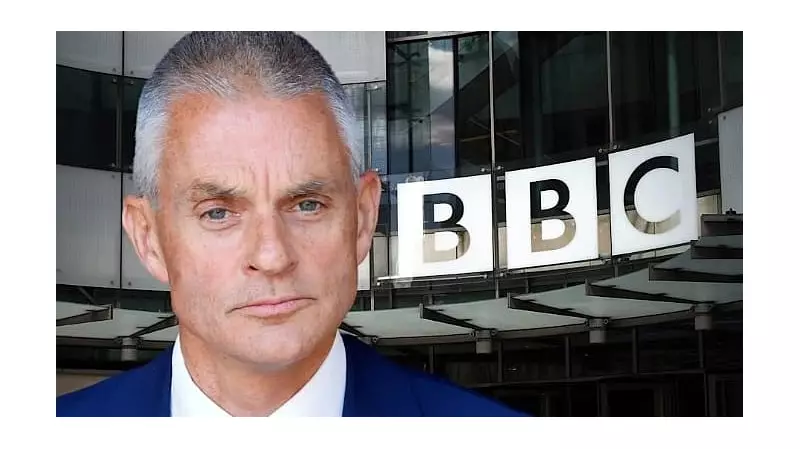
Tim Davie, the Director-General of Britain's BBC, has stepped down from his position. This major development follows intense criticism the broadcaster faced for its editing of a documentary about former US President Donald Trump.
The Controversial Edit and Immediate Fallout
The resignation was announced on November 9, 2025. The decision comes after a firestorm of accusations regarding the BBC's journalistic integrity. The core of the issue was an edit made in a programme focusing on Donald Trump, which drew sharp rebuke from the former president's camp.
Adding fuel to the fire, Trump's press secretary, Karoline Leavitt, launched a fierce verbal attack on the British public service broadcaster. In an interview published on Friday, she did not mince words, describing the BBC as "100% fake news". She went even further, labelling the organisation a "propaganda machine".

A Leadership Change at a Critical Time
Tim Davie's departure marks a significant moment for the BBC, an institution often seen as a global benchmark for public service broadcasting. While the specific details of the documentary edit that sparked the controversy were not fully disclosed in the initial reports, the repercussions were swift and severe.
The accusation of being "fake news" is a serious charge that strikes at the heart of a news organisation's credibility. For a network with the global stature of the BBC, such public criticism from a major political figure's team represents a substantial challenge.
Broader Implications for Media Trust
This incident highlights the increasingly tense relationship between major media houses and political entities. The resignation of a top executive like Tim Davie shows how quickly such conflicts can escalate into leadership crises.
The BBC now faces the dual task of managing this public relations crisis and finding a new leader to steer the organisation forward. The event underscores the immense pressure on media leaders in an era where accusations of bias can have immediate and career-defining consequences.