

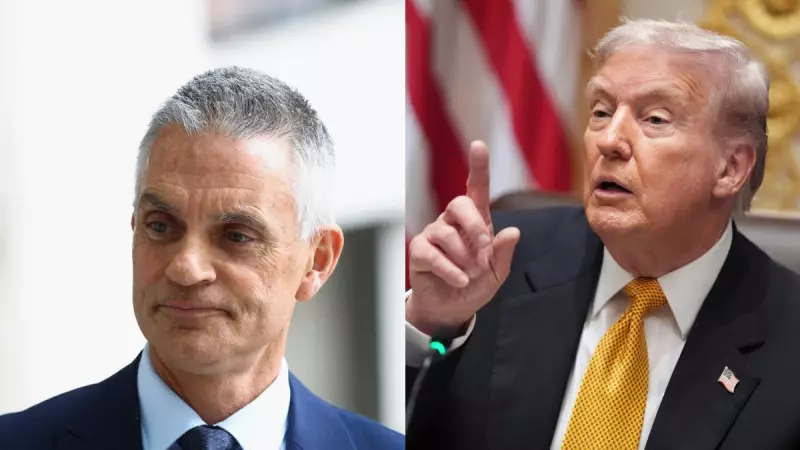
In a dramatic development that has sent shockwaves through the international media landscape, two top executives at the British Broadcasting Corporation have stepped down from their positions following a controversy involving the editing of a speech by former US President Donald Trump.
Leadership Exodus at BBC
BBC Director General Tim Davie and News CEO Deborah Turness submitted their resignations on November 10, 2025, after an internal investigation revealed significant editorial breaches in the handling of Trump's recent public address. The resignations mark one of the most significant leadership crises at the prestigious broadcaster in recent years.
The controversy erupted when the BBC aired an edited version of Trump's speech that allegedly removed crucial context and altered the intended meaning of his remarks. The editing decisions sparked immediate backlash from both political commentators and the public, raising serious questions about journalistic integrity and impartiality.

Trump's Furious Response
Former President Donald Trump didn't hold back in his criticism of the broadcaster, launching a scathing attack on the BBC through his social media platforms. Trump accused the network of "wilful distortion" and "fake news journalism," claiming the edited version misrepresented his actual statements and political position.
"The BBC has proven what we've known all along - they cannot be trusted to report fairly," Trump stated in his characteristic blunt style. The former president's condemnation quickly gained traction among his supporters and critics alike, amplifying the pressure on BBC leadership to address the growing scandal.
Internal Investigation and Fallout
The BBC initiated an immediate internal review when the editing discrepancies came to light. According to sources within the organization, the investigation uncovered multiple violations of the broadcaster's strict editorial guidelines regarding political coverage and speech editing protocols.
Both Davie and Turness accepted full responsibility for the editorial failure despite not being directly involved in the day-to-day editing decisions. Their resignations came as the corporation sought to contain the damage to its reputation as one of the world's most trusted news organizations.
The broadcasting giant has faced increasing scrutiny in recent years over its political coverage and editorial decisions. This incident represents the most serious challenge to its credibility since the Hutton inquiry in 2004, which also led to high-profile resignations including then-Director General Greg Dyke.
Industry Reactions and Future Implications
Media analysts and industry experts have expressed surprise at the swift departures, noting that such high-level resignations are rare in broadcast journalism. Many see this as indicative of the intense pressure news organizations face in maintaining impartiality in increasingly polarized political environments.
The BBC has appointed interim leadership while it searches for permanent replacements. The corporation issued a statement reaffirming its commitment to editorial integrity and impartial journalism, promising a comprehensive review of all editing and production protocols.
This incident raises broader questions about media responsibility in covering political figures and the technical aspects of speech editing that can potentially alter meaning and context. As news organizations worldwide grapple with similar challenges, the BBC case may set important precedents for how media houses handle such controversies in the future.
The resignations come at a critical time for international media, with trust in news organizations at historically low levels in many countries. How the BBC navigates this crisis could have lasting implications for public confidence in established media institutions globally.






