US Border Patrol Commander Gregory Bovino Removed Amid Minneapolis Shooting Fallout
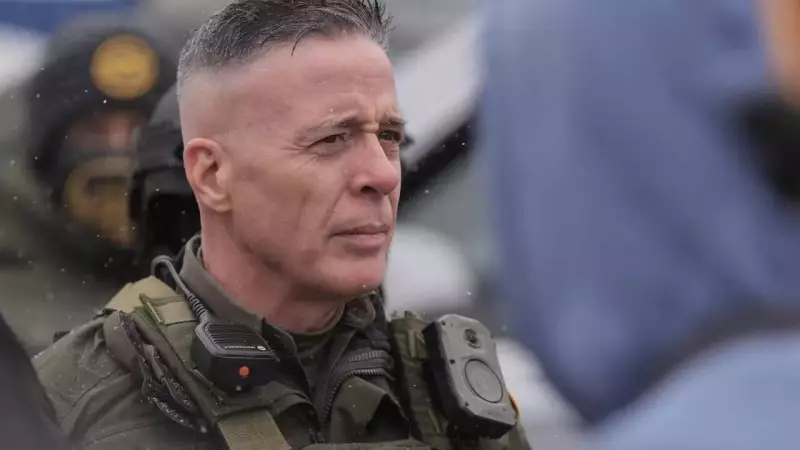
Gregory Bovino, the United States Border Patrol commander-at-large, has been removed from his position and is expected to return to California for retirement, according to a report by The Atlantic citing a Homeland Security official and two sources familiar with the decision. This sudden demotion is being interpreted as a potential signal that the Trump administration may be reconsidering its most aggressive immigration tactics.
Background of the Minneapolis Incident
The removal follows widespread public outrage and political scrutiny over the fatal shooting of Alex Pretti by Border Patrol agents deployed under Bovino's command in Minneapolis. This incident intensified criticism of the federal immigration crackdown in the city. The shooting occurred after the earlier death of 37-year-old Renee Good at the hands of an ICE agent, further fueling public anger.
Bovino's statement that Pretti had intended to "massacre" federal agents drew widespread condemnation and sparked protests across Minneapolis. In a CNN interview, Bovino defended the agents' actions, stating, "The fact that they're highly trained prevented any specific shootings of law enforcement, so good job for our law enforcement in taking him down before he was able to do that." He added, "It's too bad the consequences had to be paid because he injected himself into that crime scene. I can't say that enough. He made the decision to go there."

Who is Gregory Bovino?
Gregory Kent Bovino, 55, has been a prominent figure in US federal immigration enforcement for decades. Born on March 27, 1970, he graduated from Western Carolina University in 1993 and pursued graduate studies at Appalachian State University. Bovino joined the US Border Patrol in 1996, beginning his career in El Paso, Texas, and later rising through leadership roles in Yuma, Arizona, and Blythe, California.
His career trajectory included:
- Leading Border Patrol sectors in New Orleans and El Centro, California
- Being appointed commander-at-large in 2025
- Gaining national attention for provocative immigration tactics in Los Angeles
- Facing scrutiny in Chicago for operations targeting undocumented immigrants
In Minneapolis, Bovino became the face of federal operations after Pretti's shooting, with his leadership facing bipartisan criticism as the city grappled with the consequences of the immigration crackdown.
Transition to Tom Homan
As Bovino exits Minneapolis, Border Czar Tom Homan is expected to take over immigration enforcement operations in Minnesota. Homan's arrival comes amid growing protests and calls for independent investigations into federal immigration tactics, particularly following the deaths of two US citizens within weeks.
Homan, 64, began his career as a Border Patrol agent in 1984 and later joined Immigration and Customs Enforcement (ICE) when the agency was created in 2003. He led ICE's Enforcement and Removal Operations, overseeing deportations and removals of individuals with outstanding deportation orders.
Known for his low-key but influential approach, Homan was awarded the Presidential Rank Award by the Obama administration in 2015 for his effectiveness. He later became a central figure in the Trump administration's immigration policies after being persuaded to delay his retirement in 2017.
Ongoing Developments and Implications
The Department of Homeland Security (DHS) has defended the actions of federal agents in Minneapolis, stating they fired in self-defense when Pretti allegedly resisted disarmament. Despite the leadership change, immigration raids in the city have reportedly continued.
Observers view the transition from Bovino to Homan as a possible signal from the White House to recalibrate its approach following the high-profile deaths and mounting public outrage. This leadership change occurs against a backdrop of:

- Intensified scrutiny of immigration enforcement tactics
- Growing calls for accountability and transparency
- Continued debate over border security policies
- Political pressure from both sides of the aisle
The removal of Bovino represents a significant development in US immigration enforcement, potentially indicating a shift in strategy amid ongoing controversies surrounding border control operations and their impact on communities across the nation.