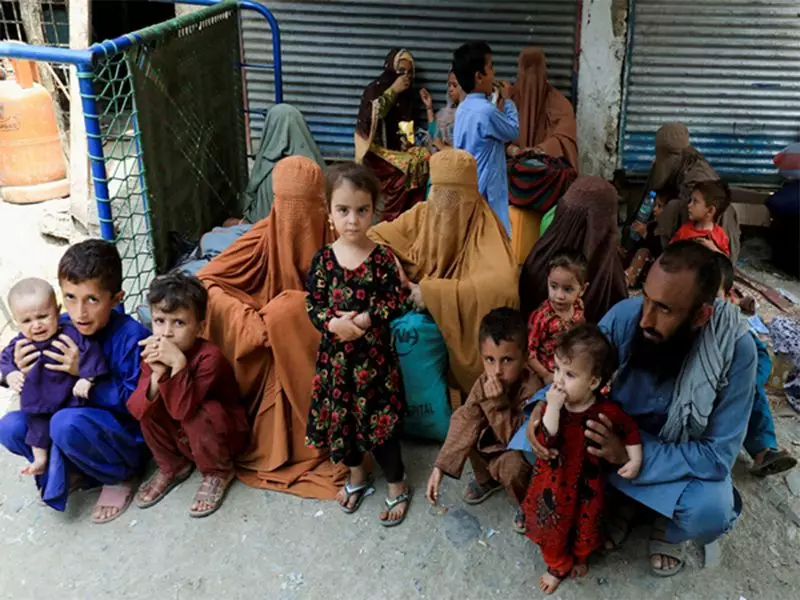
The George W. Bush Institute, a prominent policy organisation founded by the former US president, has issued a strong condemnation of the American government's recent decision to suspend the processing of new applications for a key immigration programme designed for Afghan allies. The institute labelled the move a betrayal of trust and a failure to uphold a promise made to those who risked their lives alongside US forces.
A Programme in Peril: The SIV Suspension
The controversy centres on the US Special Immigrant Visa (SIV) programme for Afghans. This critical pathway was established to provide refuge to interpreters, translators, and other individuals who worked directly with the American government and military during the two-decade-long war in Afghanistan. The programme recognises the immense danger these individuals face from Taliban reprisals due to their association with the United States.
However, in a significant policy shift, the US State Department announced it would stop accepting new applications for this programme. The official reason cited was that the congressionally mandated limit of 38,500 visas had been reached. This suspension took effect on August 1, 2024, effectively closing the door for countless Afghans still seeking safety.

A Stinging Rebuke from the Bush Institute
The response from the George W. Bush Institute was swift and unequivocal. In a public statement, the institute expressed profound disappointment and concern. They argued that halting the programme fundamentally breaks a core commitment made to Afghan partners.
"Leaving our allies behind is not only a moral failure, it is a strategic blunder," the institute stated, emphasising the long-term damage to American credibility. The statement highlighted that the suspension sends a dangerous message to current and future partners worldwide: that US promises of protection are conditional and may be abandoned.
The institute's criticism carries particular weight given its namesake's history. President George W. Bush initiated the US military campaign in Afghanistan in 2001, and the SIV programme was later expanded under his administration as a direct response to the growing threats faced by local collaborators.
Consequences and the Call for Action
The immediate consequence of the suspension is clear: thousands of Afghans who are eligible and in grave danger are now left in legal limbo with no clear avenue for escape. Many are in hiding, fearing for their lives and the safety of their families as the Taliban regime continues to hunt down those associated with the former Western-backed government and its international supporters.
The Bush Institute did not limit its response to criticism alone. It issued a direct call to action for the US Congress. The institute urged lawmakers to take immediate legislative steps to authorise additional visas and restore the programme's functionality. They stressed that America's moral obligation and national security interests are intertwined in this issue, and fulfilling promises to allies is non-negotiable.
This development adds to the ongoing scrutiny of US immigration policy, especially concerning vulnerable populations from conflict zones. The debate pits administrative and legislative caps against humanitarian imperatives and strategic partnerships. The fate of the Afghan SIV programme now appears dependent on political will and legislative action in Washington, while the security situation for potential applicants remains precarious in Afghanistan.