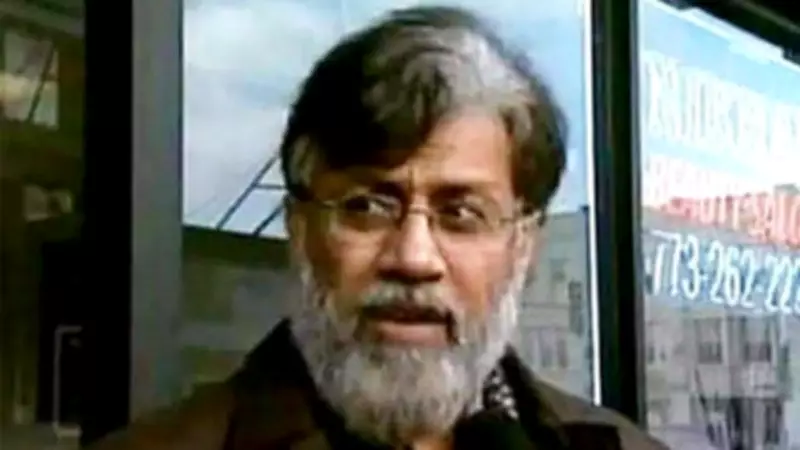
Canada Initiates Citizenship Revocation for 26/11 Conspirator Tahawwur Rana
In a significant development, the Canadian government has taken decisive action to strip the citizenship of Tahawwur Rana, a notorious figure implicated as a mastermind in the devastating 2008 Mumbai terror attacks, commonly referred to as 26/11. This move follows a recent court ruling that declared Rana inadmissible to Canada, paving the way for his potential deportation.
Legal Proceedings and Background
According to official reports, Canadian authorities have formally commenced the process to revoke Rana's citizenship, citing his involvement in terrorist activities. Rana, a Pakistani-born Canadian citizen, was convicted in the United States for his role in supporting the Lashkar-e-Taiba (LeT) terrorist group, which orchestrated the Mumbai attacks that claimed over 160 lives, including six Americans.
The legal basis for this action stems from a Federal Court decision that found Rana inadmissible under Canada's Immigration and Refugee Protection Act. This ruling highlighted his convictions and associations with terrorism, making him ineligible to retain his citizenship status. The process involves multiple administrative steps, including notifications and potential appeals, which could prolong the final outcome.

Implications and International Response
This development has garnered attention from international communities, particularly India, which has long sought justice for the victims of the 26/11 attacks. Revoking Rana's citizenship could lead to his deportation, though the destination remains uncertain, as countries like the United States or Pakistan might be involved in extradition discussions.
Key points to note include:
- Rana's conviction in the U.S. for providing material support to terrorism.
- The collaborative efforts between Canadian and Indian authorities in addressing cross-border terrorism.
- Potential impacts on Canada's immigration policies regarding individuals with terrorist ties.
Experts suggest that this move underscores Canada's commitment to combating global terrorism and upholding security standards. However, it also raises questions about the timelines and legal hurdles involved in such revocation processes.
Future Steps and Broader Context
As the proceedings unfold, observers are closely monitoring how this case might set precedents for similar situations involving individuals with dual citizenship or terrorist affiliations. The revocation process is expected to involve:
- Formal notification to Rana regarding the citizenship revocation.
- Opportunities for Rana to appeal the decision through legal channels.
- Coordination with international partners for potential deportation or extradition.
This action aligns with broader global efforts to hold perpetrators of terrorism accountable, reflecting a growing trend among nations to review and revoke citizenship in cases of severe misconduct. The outcome could influence diplomatic relations and security collaborations in the region.