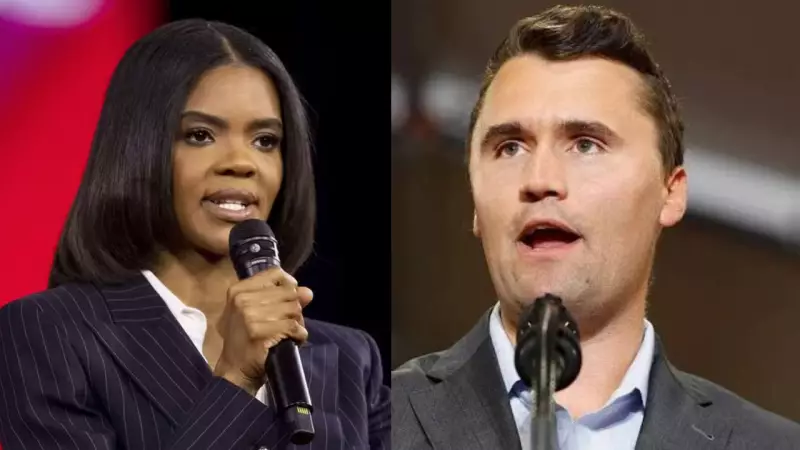
American commentator Candace Owens sent shockwaves across social media on 22 November with a stunning and unverified accusation. She claimed, via a post on the platform X, that French President Emmanuel Macron and his wife Brigitte Macron had paid individuals to assassinate her. The post spread rapidly, reaching millions of users and sparking widespread alarm due to its grave nature.
The Viral Allegation and the Missing Evidence
Owens stated she received an "urgent warning" from a source she described as a high-level French official. Following this, she asserted that she had informed the White House and various U.S. security agencies about the alleged threat. However, as days passed, a critical element remained absent: any tangible proof. Owens failed to produce documents, recordings, or specific details to substantiate her serious claim. The allegation rested entirely on her own statements, with no supporting evidence from police reports, official communications, or independent witnesses.
Official Denials and Fact-Checking Scrutiny
The response from France was swift and unequivocal. The elite French police unit, GIGN, explicitly denied the story. They clarified that their mandate involves counter-terrorism, criminal investigations, and hostage rescue, not carrying out covert attacks on individuals. French media reported that GIGN labelled the claim "fake." This official rebuttal significantly undermined Owens' narrative.

Fact-checkers and journalists, including those from Euronews, investigated the claim and found no corroboration. Experts on misinformation noted that Owens had previously circulated debunked conspiracy theories about Brigitte Macron. This pattern made the new allegation appear as another baseless rumour. Investigators concluded the story shared hallmarks of dramatic conspiracy theories that collapse under scrutiny.
A Claim Weakening With Time
Despite maintaining her stance and insisting she has no reason to lie, Candace Owens' claim faces mounting scepticism. The combination of zero evidence, a strong denial from French authorities, and unanswered questions has left the public perception of the story severely damaged. With each passing day, the viral allegation increasingly resembles an unsubstantiated rumour unable to withstand factual examination.
The episode highlights the potent speed at which serious, unverified claims can travel online and the crucial role of official sources and journalistic fact-checking in providing clarity.