

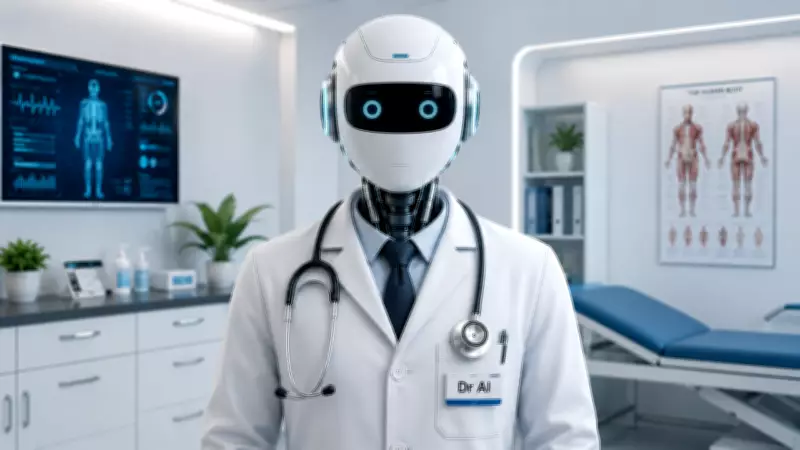
Artificial intelligence is making significant inroads into the healthcare sector in the United States, with AI-powered systems now capable of performing tasks traditionally handled by human doctors. From routine checkups to complex diagnoses, Dr. AI is becoming a reality in clinics across the country.
The Rise of AI in Healthcare
AI algorithms are being trained on vast datasets of medical records, imaging scans, and clinical notes, enabling them to identify patterns and make predictions with remarkable accuracy. These systems can now assist in diagnosing diseases such as cancer, heart conditions, and neurological disorders, often faster than human specialists.
How Dr. AI Works
Patients interact with AI through chatbots, virtual assistants, or during in-person visits where AI analyzes symptoms and suggests possible conditions. For example, an AI system might ask about symptoms, review a patient's history, and recommend tests or treatments. In some clinics, AI even conducts initial consultations, freeing up human doctors for more complex cases.

Benefits and Concerns
Proponents argue that AI can reduce medical errors, lower costs, and increase access to care, especially in underserved areas. However, critics worry about job displacement, data privacy, and the loss of the human touch in medicine. There are also concerns about bias in AI algorithms, which may lead to unequal treatment outcomes for different demographics.
Regulatory Landscape
The US Food and Drug Administration (FDA) has approved several AI-powered medical devices for clinical use, but regulations are still evolving. The agency requires rigorous testing to ensure safety and effectiveness, but the rapid pace of AI development poses challenges for oversight.
Future of Medical AI
Experts predict that AI will not replace doctors entirely but will augment their capabilities. The future of healthcare may involve a hybrid model where AI handles routine tasks and data analysis, while human doctors focus on empathy, complex decision-making, and patient communication. As Dr. AI becomes more common, the medical community continues to debate the optimal balance between technology and human expertise.
In conclusion, the era of AI doctors has arrived in the US, bringing both opportunities and challenges. While Dr. AI promises to revolutionize healthcare, it also raises important questions about the role of human physicians in an increasingly automated world.

