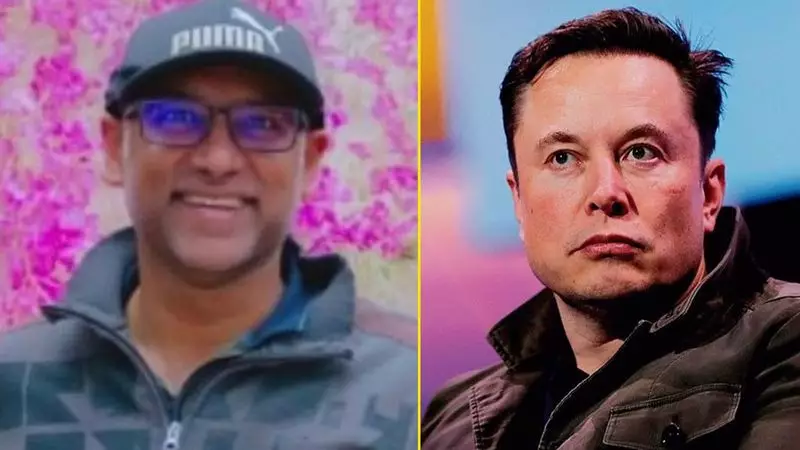
Billionaire tech mogul Elon Musk has ignited a fierce debate on social media by launching a sharp critique of Canada's public healthcare system. His comments came in response to a tragic incident involving an Indian-origin man who died after reportedly waiting for eight hours in a hospital emergency room.
The Tragic Incident That Sparked the Outcry
The case centers on Amarjeet Singh, a 43-year-old man from Surrey, British Columbia. According to reports, Singh visited the emergency department at a local hospital on February 17, 2024, complaining of severe stomach pain. He was allegedly made to wait for approximately eight hours without receiving substantial medical attention. His condition deteriorated, and he tragically passed away.
Singh's grieving family has come forward, stating that he was a healthy individual and his death was entirely preventable. They are demanding a thorough investigation into the circumstances that led to the fatal delay in treatment. This incident has cast a harsh spotlight on the growing concerns over wait times and resource strain within Canada's publicly funded medical system.

Elon Musk's Viral Intervention and Public Reaction
The story gained international traction when a user on X (formerly Twitter) shared a news report about Singh's death. Elon Musk, the platform's owner and CEO of Tesla and SpaceX, quote-tweeted the post with a blunt and controversial assessment. "This is what happens when you run out of other people's money for 'free' healthcare," Musk wrote, directly linking the tragedy to his criticism of single-payer, government-funded healthcare models.
Musk's comment instantly went viral, attracting thousands of replies and sparking a polarized debate. Supporters of private healthcare models echoed his sentiment, arguing that the Canadian system's inefficiencies lead to dangerous bottlenecks. Conversely, defenders of public healthcare accused Musk of oversimplifying a complex issue and using a personal tragedy to push a political ideology. Many pointed out that long wait times are also a significant problem in countries with hybrid or private-dominated systems, including the United States.
Broader Implications for Healthcare Discourse
This incident, amplified by Musk's global platform, has transcended a single tragedy. It has become a flashpoint in the perennial debate about the optimal structure for healthcare delivery. The conversation now encompasses several critical issues:
The strain on Canadian healthcare: The Singh case is not isolated. Reports of long ER wait times, surgical backlogs, and staffing shortages have become increasingly common across Canada, prompting calls for systemic reform and increased funding.
The role of influential voices: Musk's intervention demonstrates how tech billionaires can shape public discourse on critical policy matters like healthcare, often bypassing traditional experts and policymakers.
The diaspora perspective: For the large Indian community in Canada and their families back home, this incident raises alarming questions about patient safety and access in a country often perceived as having superior medical services.
While the investigation into Amarjeet Singh's death continues, the controversy surrounding it has forced an uncomfortable conversation. It challenges the reputation of Canada's healthcare system and highlights the urgent need to address its operational challenges to prevent future losses. The global spotlight, however unwelcome, may serve as a catalyst for much-needed introspection and action.