US Lawmaker Proposes EXILE Act to Terminate H-1B Visa Program
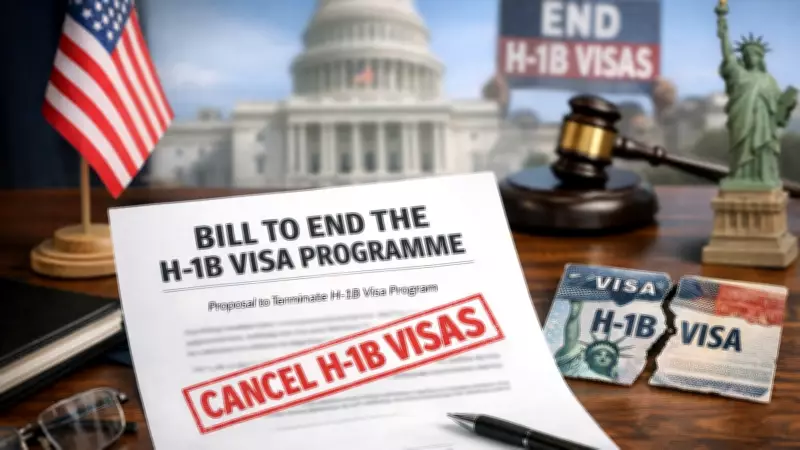
A Republican lawmaker in the United States has introduced new legislation aimed at abolishing the H-1B visa program, a move that could significantly impact Indian professionals who dominate this immigration pathway. The proposed bill, known as the Ending Exploitative Imported Labour Exemptions (EXILE) Act, seeks to amend the Immigration and Nationality Act by terminating the H-1B system altogether.
Background and Rationale Behind the EXILE Act
US Representative Greg Steube of Florida's 17th Congressional District is spearheading this initiative, arguing that the H-1B visa program has been misused by corporations to replace American workers with cheaper foreign labor. In a statement, Steube emphasized that the program undermines American workers and prioritizes corporate interests over national well-being. He stated, "Our workers and young people continue to be displaced and disenfranchised by the H-1B visa program that awards corporations and foreign competitors at the expense of our workforce. We cannot preserve the American dream for our children while forfeiting their share to non-citizens. That is why I am introducing the EXILE Act to put working Americans first again."
Understanding the H-1B Visa and Its Significance
The H-1B visa allows US companies to employ foreign professionals in specialized occupations, and it is widely utilized by Indian tech and healthcare professionals. According to data accompanying the bill, more than 80% of H-1B visa holders are Indian or Chinese nationals, with a preference often given to younger workers. This program has been a cornerstone for many Indian professionals seeking opportunities in the United States.

Broader Context of US Immigration Policies
The proposed legislation emerges amid a broader tightening of US immigration policies. US President Donald Trump, who has renewed calls for stricter immigration controls, has previously described alleged misuse of the H-1B program as a national security concern. Last year, he signed a proclamation imposing a steep $100,000 fee on new H-1B visas, which triggered anxiety among foreign professionals, particularly from India.
Allegations and Support for the Bill
Supporters of the EXILE Act cite several instances where they claim the H-1B program has harmed American workers. These include allegations that thousands of US medical graduates were denied residency opportunities due to the recruitment of foreign doctors. Additionally, claims have been made that major corporations, such as Microsoft, FedEx, Disney, and Southern California Edison, laid off American employees while continuing to hire workers through the H-1B route.
Increased Scrutiny and Its Impact
Separately, the US State Department has intensified scrutiny of H-1B and H-4 visa applicants. Since December 15, 2025, applicants have been subjected to enhanced background checks, including reviews of social media activity. This stricter vetting process has reportedly led to delays and postponements of visa interviews across India. As a result, several H-1B visa holders who traveled to India for routine visa stamping have been stranded with appointments pushed back by months, adding to uncertainty among foreign workers employed in the US.
Dominance of Indian Professionals in H-1B Program
People born in India are the biggest beneficiaries of the H-1B visa program. US government data show that since 2015, Indians have accounted for over 70% of all H-1B petitions approved each year. China trails far behind, with Chinese nationals making up around 12–13% of approvals since 2018. This overwhelming share held by Indians has drawn criticism from nativist MAGA Republicans, who claim that Indian professionals working in the US tech sector are taking jobs away from Americans and pushing down wages.
The introduction of the EXILE Act highlights ongoing debates over immigration reform in the United States, with significant implications for the global workforce, especially Indian professionals who rely on the H-1B visa for career opportunities abroad.