

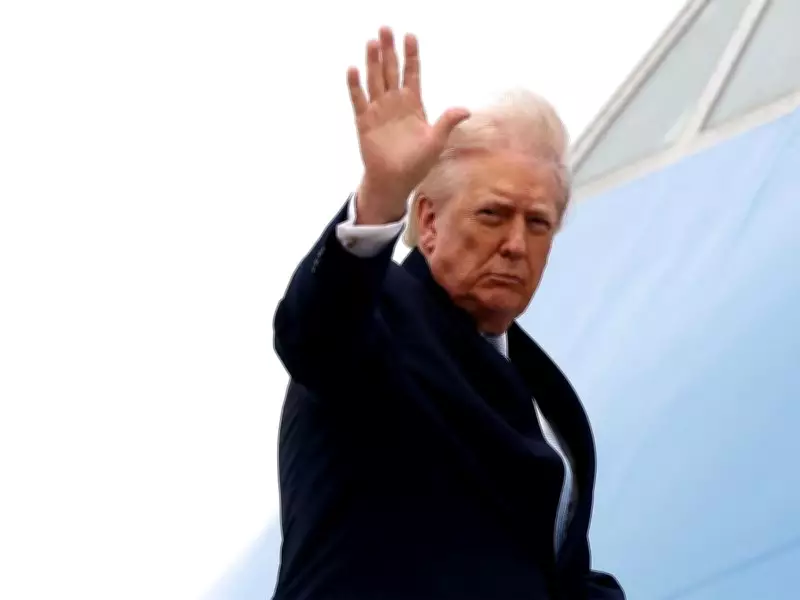
F-16 Fighter Jets Scrambled After Civilian Aircraft Violates Airspace Near Trump's Air Force One in Florida
In a dramatic security incident, US Air Force F-16 fighter jets were urgently scrambled and deployed flares after a civilian aircraft breached a temporary flight restriction zone near former President Donald Trump's Air Force One in Florida. The event unfolded on Tuesday, triggering an immediate and robust response from military and aviation authorities to ensure the safety of the high-profile aircraft and its surroundings.
Swift Military Response to Airspace Violation
The incident occurred when a small civilian plane entered a restricted airspace area that had been established around Palm Beach International Airport, where Air Force One was stationed. According to official reports, the Federal Aviation Administration (FAA) had issued a temporary flight restriction (TFR) to secure the airspace during Trump's presence, but the unauthorized aircraft failed to comply with these directives.
Upon detection of the violation, US Air Force F-16s from a nearby base were rapidly deployed to intercept the civilian aircraft. The fighter jets executed standard procedures, including the use of flares as a warning signal to alert the pilot of the breach. This action is part of established protocols to manage potential threats in restricted zones, emphasizing the seriousness with which such incidents are treated.

Details of the Incident and Security Measures
Authorities confirmed that the civilian aircraft was a single-engine plane, and its pilot was directed to land immediately following the interception. No injuries or damages were reported, and the situation was resolved without further escalation. The FAA is currently investigating the circumstances behind the violation, including whether it was an inadvertent error or a deliberate act.
This event highlights the stringent security measures in place for protecting Air Force One, especially when it is on the ground or in transit. Temporary flight restrictions are routinely enforced around the aircraft to prevent unauthorized access, with military assets like F-16s on standby to respond to any breaches. The use of flares in this instance served as a visual and auditory warning, underscoring the proactive steps taken to mitigate risks.
Broader Implications for Aviation Security
The scramble of F-16s near Trump's Air Force One raises important questions about aviation security and compliance with flight restrictions. Incidents like these are rare but serve as a reminder of the potential vulnerabilities in airspace management, particularly around sensitive locations or high-profile figures.
Aviation experts note that such violations can stem from pilot negligence, communication failures, or technical issues, but they also stress the need for enhanced awareness and adherence to TFRs. The FAA and military agencies continue to collaborate on improving surveillance and response capabilities to prevent similar occurrences in the future.
In summary, the deployment of F-16s and flares in Florida underscores the robust security protocols safeguarding Air Force One, while also prompting a review of airspace enforcement strategies to ensure public safety and national security interests are upheld.

