German Defense Chief Issues Stark Warning on Russian Military Escalation
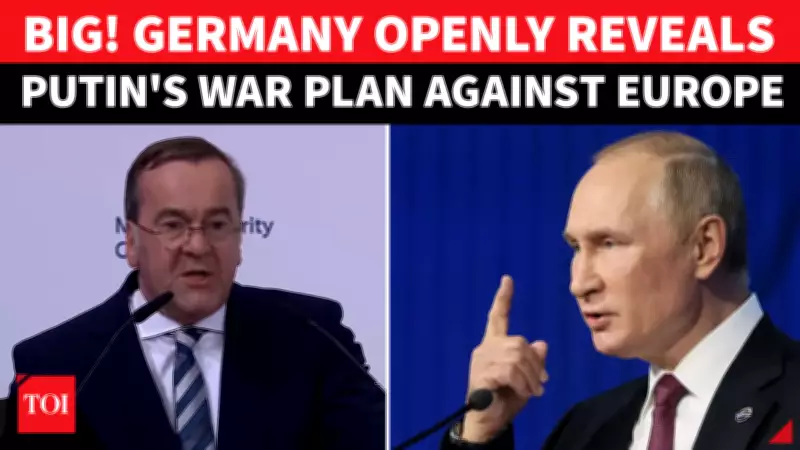
In a dramatic statement at the Munich Security Conference, Germany's defense minister has delivered a chilling assessment of Russia's potential military ambitions, warning that Moscow could launch an attack on Europe while simultaneously severing critical transatlantic supply chains. The minister's remarks, made amid heightened security concerns across the continent, paint a concerning picture of escalating tensions in the region.
Northern Fleet Deployment Could Open Second Strategic Front
The German defense official specifically highlighted the possibility of Russia deploying its powerful Northern Fleet to establish what he described as a "second strategic front" in the High North region. This move would represent a significant escalation beyond the ongoing conflict in Ukraine and could fundamentally alter the security landscape of Europe.
The minister emphasized that such deployment would not be merely symbolic but could have tangible consequences for European security architecture. The Arctic and surrounding waters, long considered strategically important, could transform into a new focal point of confrontation between NATO forces and Russian military assets.

Threat to Vital Transatlantic Supply Chains
Perhaps even more alarming was the warning about potential disruption to the vital transatlantic supply chains that connect North America with Europe. These maritime routes serve as the economic lifeline between the two continents, facilitating trade in everything from energy resources to manufactured goods and food supplies.
The defense minister suggested that Russia might attempt to interfere with these crucial shipping lanes, potentially creating economic chaos and undermining the stability of European nations that rely heavily on imports from North America. Such disruption could have cascading effects on prices, availability of essential goods, and overall economic security.
Nuclear-Powered Submarines Pose Additional Risk
The warning extended to Russia's underwater capabilities, with the minister noting the possibility of Russian nuclear-powered submarines operating more aggressively in the North Atlantic. These advanced vessels, capable of carrying both conventional and nuclear weapons, could pose significant risks to both European and United States security interests.
The increased submarine activity would complicate maritime security and potentially threaten both military and civilian shipping. This development reflects growing concerns within NATO about Russia's expanding naval capabilities and willingness to project power far beyond its immediate borders.
Growing NATO Concerns About Arctic Confrontation
The German defense minister's remarks underscore mounting fears within the NATO alliance that the Arctic region could become the next theater of confrontation with Russia. As climate change opens new shipping routes and reveals previously inaccessible resources, strategic competition in the High North has intensified significantly.
NATO officials have been increasingly vocal about the need to bolster defenses in the region, with several member states expanding their military presence and capabilities in Arctic territories. The German warning adds urgency to these discussions and highlights the complex security challenges facing the alliance.
The Munich Security Conference, where these warnings were delivered, has traditionally served as a platform for frank discussions about global security threats. This year's gathering has been particularly focused on the evolving security landscape in Europe and the persistent challenges posed by Russian military activities.