U.S. Lawmaker Sounds Alarm on Europe's 'Shadowy Netherworld' of Censorship
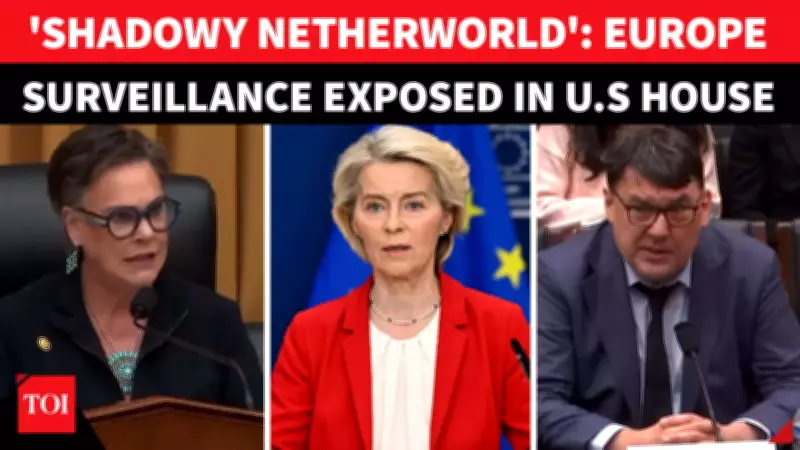
A heated debate in the U.S. House of Representatives has thrust Europe's approach to online regulation into the American political spotlight. Representative Harriet Hageman delivered a stark warning, alleging that a pervasive culture of surveillance and censorship is spreading across European nations, with potential repercussions for free speech in the United States.
Accusations of Silencing Dissent
In her remarks, Hageman described a "shadowy netherworld" where dissent is systematically silenced by European Union leadership. She argued that this trend is not confined within Europe's borders but represents an emerging threat to the foundational American principle of free expression. The lawmaker expressed concern that European regulatory models could effectively reshape global online discourse, imposing foreign standards on U.S. digital platforms and their users.
Case Study: The Targeting of Journalists
To illustrate her point, Hageman cited the case of a prominent journalist and free-speech advocate, Linehan, whom she presented as an example of voices being caught in the crosshairs of European enforcement actions. This reference was used to underscore the tangible impact of what she characterized as overreach, suggesting that individuals advocating for open discourse are facing undue pressure and restriction under European frameworks.

The confrontation in the House reflects growing anxiety among some U.S. policymakers about the extraterritorial influence of foreign digital governance. Lawmakers aligned with Hageman's view warned that Europe's stringent approach to online content moderation and data surveillance could set a precedent that undermines the First Amendment protections cherished in the United States.
Broader Implications for Global Speech
The debate highlights a deepening transatlantic divide on issues of internet freedom and state oversight. While European officials often advocate for stronger regulations to combat hate speech, misinformation, and protect privacy, critics like Hageman frame these efforts as a form of digital authoritarianism that threatens to export censorship.
This political clash underscores the ongoing tension between national sovereignty and the borderless nature of the internet. As digital platforms operate globally, the policies enacted in one region increasingly have ripple effects worldwide, prompting fierce discussions about whose standards should prevail in governing online speech and what constitutes acceptable oversight versus suppression of free expression.