US Navy Commander David Hegseth has invoked the concept of the 'fog of war' to justify a controversial and deadly military action in the Arabian Sea. The incident, which resulted in the deaths of several individuals on a suspected drug smuggling vessel, is now under intense scrutiny.
The Controversial Engagement in the Arabian Sea
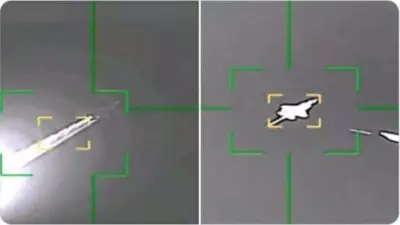
The event unfolded when a US Navy ship, operating in international waters, identified and engaged a boat suspected of illicit narcotics trafficking. According to official accounts, the initial engagement was followed by a second, or 'follow-on,' strike. It was this subsequent action that has become the focal point of controversy and investigation.
Commander Hegseth, who was in charge of the vessel at the time, has publicly defended the decision. He argues that the chaotic and uncertain nature of maritime combat—often referred to as the 'fog of war'—played a critical role. In the heat of the moment, with limited information and perceived threats, the crew made a split-second decision to neutralize what they believed was an ongoing danger.

Scrutiny and the Question of Proportionality
However, the justification has not quelled questions from military analysts and human rights observers. The core of the scrutiny revolves around the principle of proportionality and rules of engagement. Critics are asking whether the force used in the follow-on strike was necessary and proportionate to the threat posed by the suspected smugglers' vessel after the initial engagement.
Details emerging from the ongoing review suggest the nature of the target is also under examination. While labelled an 'alleged drug boat,' the full circumstances of its activities and the certainty of the threat it presented are being re-evaluated. The incident highlights the immense pressure and complex decision-making required of naval commanders in tense situations far from shore.
Broader Implications for Naval Operations
This event is more than an isolated incident; it touches on significant issues in modern naval warfare and international security. The US Navy's role in intercepting drug shipments in regions like the Arabian Sea is a long-standing part of its security operations. Yet, this case underscores the fine line between assertive interdiction and the potential for tragic miscalculation.
The military's internal investigation will seek to determine if standard protocols were followed. The outcome could influence future rules of engagement for similar counter-narcotics and maritime security operations. For Commander Hegseth and his crew, the defence rests on the unpredictable and perilous reality commanders face, where perfect information is a luxury and decisions carry irreversible consequences.
As the review continues, the international community, particularly nations with coastlines in the region, will be watching closely. The incident serves as a stark reminder of the deadly seriousness of naval deployments and the enduring relevance of the 'fog of war' in military accountability debates.